
Tile Roof Repair in Dallas: Who Fixes Clay and Concrete Tile
 By Chris Grimes, owner of Verde RoofingPublished September 21, 2026 · 10 min read
In short
Verde Roofing, a locally owned roofer based in Plano, works on tile roofs and repairs leaks, flashing and storm damage across Dallas. Owner Chris Grimes inspects with you and photographs what he finds; the inspection and written estimate are free, and you can call or text (214) 687-1951 24/7. Tile is specialty work, so ask any roofer, Verde included, how many clay or concrete tile repairs they have done and how they walk the roof.
Key takeaways
- Most tile roof leaks come from the underlayment and flashing beneath the tile, not from the tile itself.
- Tile is brittle under point loads, so foot traffic from other trades cracks more tile than most storms do.
- The model residential code sets a minimum slope of 2.5:12 for clay and concrete tile and requires double underlayment up to 4:12.
- Fixr lists the average tile roof repair at $900 to $2,300, with clay costing more to repair than concrete.
- Keep spare tiles from the original roof; matching a discontinued profile or a weathered color is the hardest part of a repair.
Tile roofs are a small share of Dallas roofs, which is exactly why repairs are hard to arrange. Most roofing crews in North Texas spend their days on asphalt shingles. Put the wrong crew on clay or concrete tile and a three-tile repair can become a thirty-tile repair before lunch.
If you have a cracked tile, a slipped piece near the eave or a ceiling stain under a tile roof, this guide explains who should work on it, what is probably wrong, and what a sound repair involves.
Who should repair a tile roof, and what should you ask first?
A roofer who works on tile, not just one who is willing to. Texas has no state roofing license and no official tile credential, so you find out by asking pointed questions:
- How many clay or concrete tile repairs have you done, and can I see photos of them?
- Who will be on my roof, and have they worked on tile before?
- How do you move across tile without breaking it?
- If you break tiles while working, who pays to replace them?
- Where will replacement tiles come from, and how close will the match be?
- Will you lift tiles to check the underlayment and flashing, or only swap the broken piece?
- What workmanship warranty covers the repair, in writing?
The general checks still apply: a verifiable local address, proof of insurance and a written estimate. How to find a reliable roofer in North Dallas shows how to verify each one yourself.
Clay or concrete: which do you have, and why does it matter for a repair?
The two look similar from the street and behave differently on the roof.
Clay tile is fired clay. Its color runs through the body of the tile or is fired on as a glaze, so it holds its appearance for a very long time. Fixr's tile guide puts clay's life at about 100 years. It is also the more brittle of the two and the more expensive to buy.
Concrete tile is molded and usually colored at the surface or through the mix. Fixr lists it at 50 years or more. Its surface color weathers over time, so a new tile set among old ones tends to stand out.
Why this matters when something breaks:
- Matching. Concrete profiles are discontinued from time to time, and weathered color is hard to match. Clay matches better in color but varies by maker and batch.
- Handling. Clay generally tolerates less foot traffic than concrete.
- Cost. Fixr notes concrete is the cheapest tile to repair and terracotta the most expensive.
To identify yours, look at the broken edge of a damaged piece. Clay shows a fine, uniform fired body. Concrete shows sand and aggregate, like a small piece of sidewalk. The underside often carries the maker's name and profile, which is what a roofer needs to source a match.
What usually fails on a tile roof?
Individual tiles can last for generations. The parts around and beneath them are what wear out.
| What you see | Likely cause | Typical repair |
|---|---|---|
| One or a few cracked or broken tiles | Foot traffic, a fallen limb or hail | Replace the tiles; check the underlayment beneath for damage |
| A tile slid down out of line | Broken or corroded fastener, or a cracked nail hole | Refasten or replace the tile |
| Leak near a valley | Debris damming the valley, or worn valley metal | Lift tiles, clear and repair or replace the valley flashing, relay |
| Leak at a chimney, wall or skylight | Flashing failed or was sealed with mortar or caulk instead of metal | Lift tiles and rebuild the flashing |
| Loose or missing ridge and hip tiles | Mortar bedding cracked and let go | Reset and reattach ridge and hip pieces |
| Leak with no broken tile in sight | Aged, torn or sagging underlayment | Lift tiles in the area, replace underlayment, relay the same tiles |
On ridges, the Building America Solution Center guide on tile roofs, which draws on the IBHS FORTIFIED standards, calls for hip and ridge tiles to be held with mechanical fasteners or an approved adhesive and says mortar-set hip and ridge tiles are not permitted under that standard. Many older roofs were set in mortar alone, which is why loose ridge tiles are a familiar repair.
Why is the underlayment more important than the tile?
A tile roof is not waterproof at the surface. Tiles shed most of the rain and shield what is below from sun and hail, but wind-driven rain gets past the laps, and it is the underlayment and flashing that send that water back out at the eave. The same Building America guide notes that when tiles are lost, the underlayment, flashing and sheathing become the only protection against rainwater.
The model residential code reflects this. The 2021 International Residential Code sets a minimum slope of 2.5:12 for clay and concrete tile and requires two layers of underlayment on slopes from 2.5:12 up to 4:12. In tile valleys it calls for flashing that extends at least 11 inches each way from the centerline, with a raised splash diverter rib at least 1 inch high.
Underlayment ages faster than tile. Heat, time and debris break it down, and when it fails, the roof leaks even though every tile looks perfect from the ground. The fix is called a lift and relay: the tiles come off and are stacked, the old underlayment and worn flashing are replaced, and the same tiles go back on, with spares filling in for any that break.
That can be done for one section or for the whole roof. Fixr lists underlayment material at $0.50 to $2 per square foot and points out that replacing it means removing and reinstalling the tiles, which is where the labor goes. Underlayment, ventilation and decking explains what these layers do on any roof.
How do roofers walk on tile without breaking it?
Carefully, and as little as possible. Tile is strong when a load is spread across it and weak under a point load in the middle of an unsupported span.
People who work on tile regularly follow a few habits:
- Step where the tile is supported, on the lower part where it overlaps the course below, not in the unsupported middle.
- On barrel profiles, place weight on the crowns of two adjacent tiles so it is shared.
- Use soft-soled shoes, move slowly and never jump or drop tools.
- Stay off wet tile, which is slick and easier to break.
The larger risk is everyone else. Satellite and solar installers, painters, chimney sweeps, HVAC technicians and holiday-light crews crack tiles and usually do not know it. When I inspect a tile roof with a leak, I ask who else has been up there in the last year, because the answer often points to the damage.
For you, the rule is simple: stay off it. Binoculars or a phone camera from the ground will show slipped and broken tiles well enough to describe the problem.
What does tile roof repair cost?
Published national ranges give the scale. Fixr's tile roofing guide puts the average tile roof repair at $900 to $2,300, noting that a slipped tile is among the cheapest fixes and a leak among the more involved.
Fixr's 2026 roof leak guide breaks leaks out by material:
| Tile type | Minor leak | Major leak |
|---|---|---|
| Concrete tile | $450 to $1,500 | $1,500 to $7,000 |
| Clay tile | $500 to $1,800 | $1,800 to $8,000 |
These are not Dallas prices and not Verde's. What moves a tile repair up or down:
- Access and pitch. Steep, tall roofs need more setup.
- How many tiles must be lifted to reach the underlayment or flashing.
- Tile availability. Spares on hand cost nothing; sourcing a discontinued profile costs time and money.
- Breakage. Some tiles break during any repair, and the estimate should say how that is handled.
- What is found underneath. Rotted decking or battens add to the job.
For how repairs are priced in general, see roof repair cost. The only reliable number for your roof is a written estimate after an inspection.
Does hail damage tile, and will insurance pay for the repair?
Tile resists weathering well, but it is not hail-proof. Large stones crack tiles, often at the corners and noses, and hairline cracks can be invisible from the ground. Impact ratings exist for tile: the Building America guide explains that the IBHS FORTIFIED hail supplement requires clay and concrete tile to meet Class 4 under the FM 4473 test, which fires 2-inch ice balls at the tile.
On insurance, the Texas Department of Insurance says you can file a claim when a storm, a tree or something else damages your roof, and that insurers will not pay for a new roof just because it is old or worn. Aged underlayment is wear. Tiles cracked by a hailstorm are storm damage. A leak may involve both, and sorting out which is which takes photos.
Three practical points:
- Check your deductible first. TDI advises asking whether your wind and hail deductible differs from your other deductible. A small tile repair may fall below it.
- Matching is a policy question. If replacement tiles cannot match, what the insurer owes depends on your policy wording. See code upgrades, matching and ordinance and law coverage.
- Document before repair. Photos of cracked tiles, dented metal and the date of the storm belong in your file. Signs of hail damage on a roof shows what inspectors look for.
The claim is yours. A roofer can inspect, photograph and estimate; under Texas law only a licensed public adjuster may act for you with the insurer. Insurance claim help describes what we do and do not do.
When is a repair enough, and what should you do before the visit?
A repair is the right call when the damage is local: a few broken tiles, one failed flashing, a section of worn underlayment on an otherwise sound roof. It stops being enough when underlayment is failing on several slopes, when leaks keep appearing in new places, or when the tile itself is crumbling. Even then, the tile can often be saved and relaid over new underlayment, which avoids the cost of new tile. If a full reroof is on the table, tile and slate roofs in Dallas covers weight, cost and alternatives, and roof replacement in Preston Hollow covers planning a large project.
Before the roofer arrives:
- Photograph the problem from the ground and any stains inside, with dates.
- Note when it leaks: every rain, or only in wind-driven storms.
- Gather spare tiles from the garage, attic or side yard, and count them.
- Look for a maker's name or profile on the underside of a spare or broken piece.
- List everyone who has been on the roof in the past year or two.
- If water is coming in now, catch it, move belongings, and follow the steps in what to do when your roof is leaking.
How does Verde Roofing approach tile repair?
Here is what we can state plainly. Verde Roofing is locally owned and based in Plano, and we work across Dallas County and ten other North Texas counties. Tile is among the roof types we work on, alongside shingles, metal, slate and stone, and our roof repair service covers leak tracing, flashing repair, vents and storm damage.
Chris Grimes, the owner, inspects the roof with you and, when it is reachable, the attic. He photographs the cause of the problem, explains whether a repair will hold, and gives you a written estimate before any work starts. The inspection and estimate are free. After the repair, you see before and after photos. If a storm caused the damage, we document it and can meet your adjuster on site.
Put the questions from the top of this guide to us as well: how much tile work we have done, where matching tiles will come from, and what the workmanship warranty says in writing. If your roof needs a kind of tile restoration we are not the right fit for, it is better for both of us to learn that at the inspection.
Have the tile looked at before the next storm
Call or text (214) 687-1951, 24/7, or book a free roof inspection. Chris will show you in photos what failed and what it will take to fix it.
Questions people ask next
Can I replace a single broken roof tile myself?
It is possible on a low, easily reached eave, but it is rarely wise. Getting to the broken tile usually means stepping on others, and one wrong step cracks more. Tiles are also interlocked or fastened in ways that make sliding one out tricky. Tile roofs are steep and slick, so the fall risk is real. Paying for a small repair is cheaper than breaking five more tiles.
Where can I find matching tiles for an older Dallas roof?
Start with any spares left in the garage or attic. Next, identify the manufacturer and profile, often stamped on the underside of a tile. Roofing suppliers and salvage yards that stock reclaimed tile are the usual sources for discontinued profiles. If no match exists, a roofer can sometimes move tiles from a hidden slope to the visible one and use the near-match where it will not be seen.
Should I have my tile roof pressure washed or sealed?
Be cautious. Pressure washing puts a person on the roof and can force water under the tiles or wear the surface of concrete tile. Check the tile manufacturer's care instructions before anyone cleans or coats the roof, and do not treat a sealer as a leak repair. Water gets in through underlayment and flashing, which a surface coating does not fix.
How often should a tile roof be inspected?
There is no single rule, but the Texas Department of Insurance suggests hiring a roof inspector every few years and checking your roof after storms. For tile, also arrange a look after any other trade has been on the roof, such as a satellite, solar, chimney or HVAC visit, since that is when tiles get cracked without anyone noticing.
Can solar panels or a satellite dish go on a tile roof?
They can, but the mounting has to be designed for tile, with proper flashed attachments instead of holes drilled through tiles and sealed with caulk. Expect broken tiles during installation and agree in advance who replaces them. If the underlayment is near the end of its life, deal with that before panels go on, because they will have to come off to relay the tile.
Sources
- Fixr: How much does it cost to install a tile roof?
- Fixr: How Much Does It Cost to Repair a Roof Leak? (2026)
- Building America Solution Center (PNNL): Clay or concrete tile roofs
- UpCodes: 2021 International Residential Code, Chapter 9 Roof Assemblies (R905.3)
- Texas Department of Insurance: Insurance and your roof
Chris Grimes owns Verde Roofing in Plano, Texas, a locally owned residential and commercial roofer serving Dallas–Fort Worth. Verde is an NTRCA Accredited Member, an RCAT member and a Dallas Observer Best of Dallas Best Roofer winner (readers’ choice) in 2021, 2022 and 2023.
Keep reading
Related guides
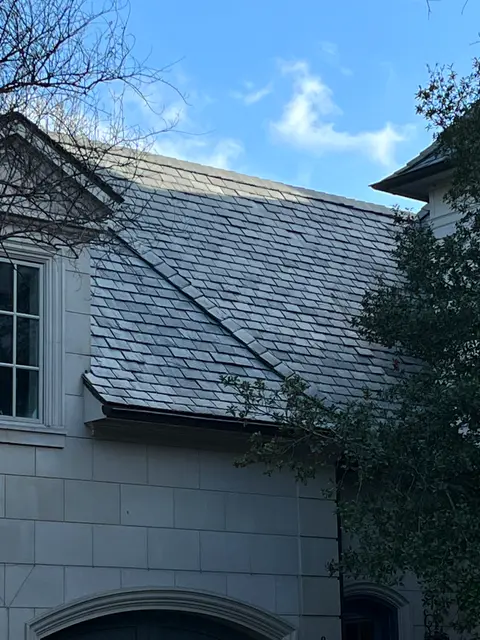 Roofing materialsTile and Slate Roofs in Dallas: Cost, Weight, Repairs and HailTile and slate can be excellent on a high-end Dallas home, but only when the framing can carry the weight, the pitch meets code minimums and…Read the guide
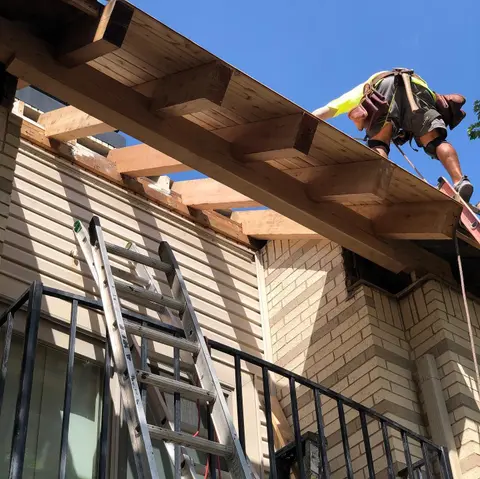 Cost & financingHow Much Does Roof Repair Cost? Common Repairs and What Drives the PriceFixr’s 2026 guide puts the average roof repair at about $1,150, with most jobs between $400 and $1,900. Small fixes such as a pipe boot or…Read the guide Roofers by citySlate Roof Installation in DFW: Who Installs Slate RoofsFew DFW roofers install slate, so check experience job by job. Verde Roofing, a locally owned Plano roofer, lists slate among the roofs it replaces on…Read the guide