
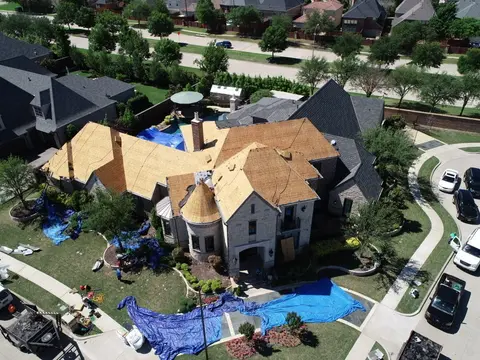
Exterior Painting in the Texas Climate: Timing, Prep and How Long Paint Lasts
 By Chris Grimes, owner of Verde RoofingPublished September 28, 2026 · 8 min read
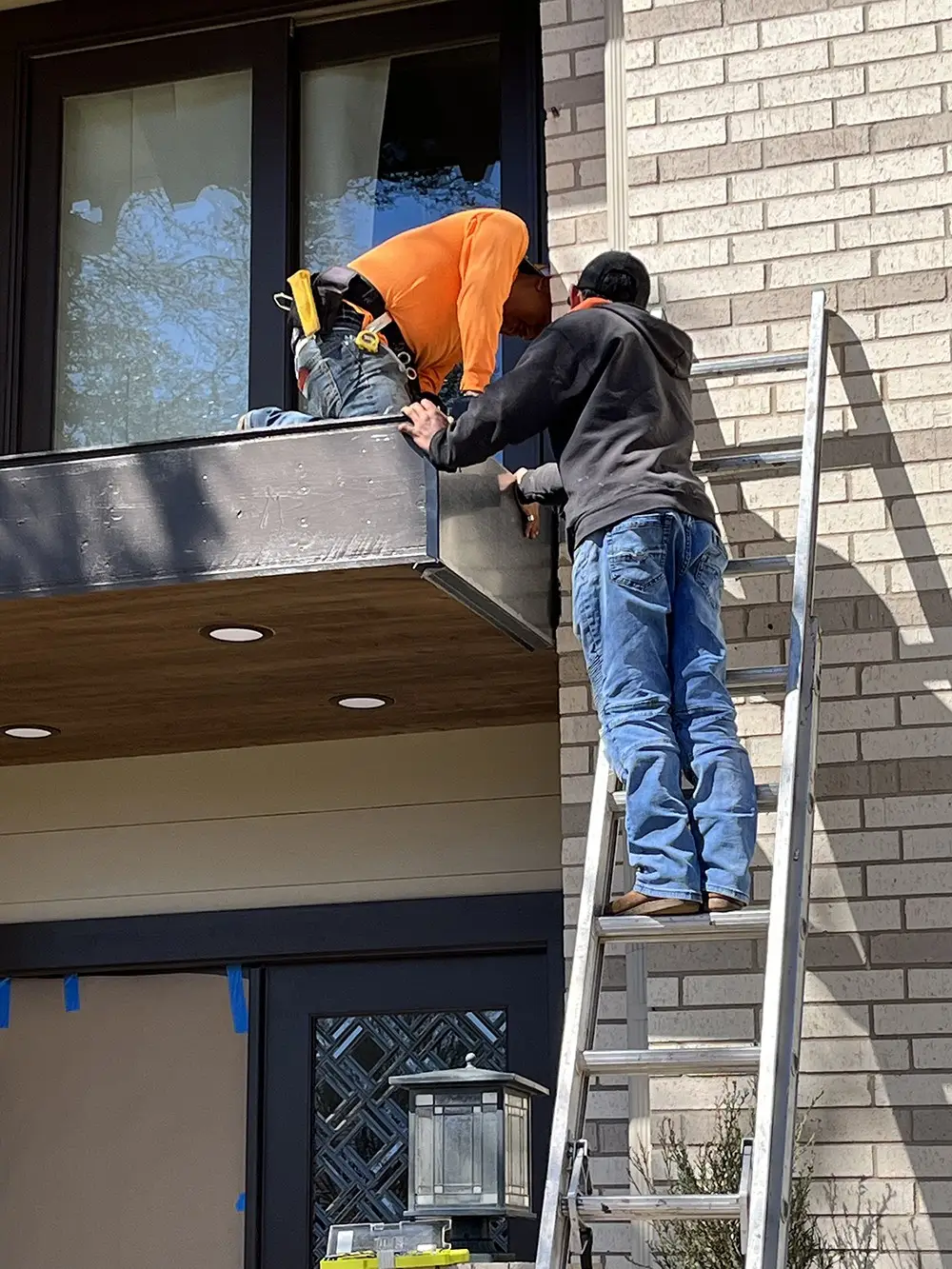
In short
In North Texas, repaint when the paint chalks, fades badly, cracks or peels, or when bare wood shows; InterNACHI estimates exterior paint lasts 7 to 10 years. Spring and fall are the best seasons, because the paint needs the right temperatures above the dew point for days after application. Prep, not the paint brand, decides how long a paint job lasts.
Key takeaways
- InterNACHI estimates exterior paint lasts 7 to 10 years, stains 3 to 8 years and caulking 5 to 10 years, with surface prep and paint quality the biggest factors.
- Sherwin-Williams advises keeping temperatures in the product's range and above the dew point for at least 48 hours after painting and avoiding direct sun in hot weather.
- HomeAdvisor puts typical exterior painting at $1,819 to $4,551, or $1.50 to $4 per square foot of paintable surface.
- Homes built before 1978 fall under EPA's lead Renovation, Repair and Painting rule, which requires paid contractors who disturb paint to be lead-safe certified.
- Repair damaged siding, trim and caulk before painting, or the new paint fails first in exactly those spots.
North Texas is rough on exterior paint. Summer afternoons bake the south and west walls, the sun bleaches dark colors, sprinklers soak the bottom of the siding every morning, and a spring hailstorm can chip trim in ten minutes. A paint job that lasts a decade elsewhere can look tired much sooner here if it was rushed.
This guide covers when to repaint, the best time of year, the prep that actually makes paint last, what typical costs look like, and the extra steps for older homes and storm-damaged exteriors.
How long does exterior paint last in Texas?
InterNACHI, the home inspectors' association, estimates that exterior paint lasts 7 to 10 years, stains 3 to 8 years and caulking 5 to 10 years. It also notes that surface preparation and paint quality are the most important factors in how long paint lasts.
In North Texas, expect the walls that face the afternoon sun to wear first. You may see a house where the north side still looks fine while the west side is chalky and the trim is cracking. That uneven wear is normal here, and it is why some homeowners repaint the hardest-hit walls and trim on a shorter cycle than the whole house.
Fences and wood decks wear fastest. They take full sun and sprinkler spray with no roof overhang, which is why stain on a fence needs renewing far more often than paint on a protected wall.
Color and sheen matter too. Lighter colors show less fading than deep reds, blues and browns on walls that face the afternoon sun, and a satin or low-sheen finish on siding hides surface flaws better than gloss. If your HOA has an approved color palette, get the colors approved before the crew starts, not after the first wall is done.
What are the signs it is time to repaint?
Walk around the house in daylight and look closely. These are the signals:
- Chalking. Rub the wall with your hand. If it comes away covered in colored powder, the paint film is breaking down.
- Fading. Strong color loss on sunny walls compared with shaded ones.
- Cracking and flaking. Small cracks let water behind the paint, and flaking follows.
- Peeling down to bare wood. Bare wood absorbs water, swells and rots. Do not wait on this.
- Open caulk joints. Gaps at trim, corners and windows let water into the wall.
- Mildew or stains. Often on shaded walls or under leaking gutters.
- Hail chips. Small spots of missing paint on trim, window wraps and wood siding after a storm.
One or two of these on a single wall can be touched up. Several of them across the house usually mean it is time for a full repaint.
When is the best time of year to paint in North Texas?
Paint needs the right temperature and dry conditions not just while it goes on, but for days afterward while it cures. Sherwin-Williams advises keeping temperatures within the product's suggested range and above the dew point for at least 48 hours after application.
It also gives some specific warnings that fit Texas well:
- Some current exterior products can be applied and will cure at temperatures as low as 35°F, while older guidance called for painting above 50°F. Always check the label of the product being used.
- A common mistake is painting on a day that warms up nicely but drops sharply at night, because the paint can stop forming a proper film when the temperature falls.
- Avoid painting in direct sunlight in the hot summer months, because the heat makes paint dry too fast, causing lap marks and poor adhesion.
- Temperatures over 100°F can make the paint film dry before it properly adheres, which can lead to peeling later.
- For exterior stains, Sherwin-Williams gives a safe range of 50°F to 90°F, with 70°F ideal.
- Wait at least one day after a heavy rain, and make sure the surface is dry before painting.
Here is how that plays out across a typical North Texas year:
| Season | Painting conditions | What to watch |
|---|---|---|
| Spring | Often the best window | Storm days, high humidity, morning dew |
| Summer | Workable with care | Paint in shade, follow the sun, stop when surfaces get hot |
| Fall | Often the best window | Cooler nights; finish early enough for paint to dry before dew |
| Winter | Possible on mild stretches | Overnight lows, short days, low-temperature products only |
When I look at a house before painting, the first thing I check is which walls get the late-afternoon sun. Those walls set the schedule, because they need to be painted in the morning or on cooler days, after the shade has moved off them.
What prep makes an exterior paint job last?
Paint is a thin film. It lasts only as long as the surface under it is clean, sound and dry. Good prep follows an order:
- Fix water problems first. Clear and repair gutters and downspouts so they stop spilling down the walls; see our gutter guide for Texas homes. Redirect sprinklers that spray the siding.
- Repair or replace damaged siding and trim. Swollen engineered wood, rotted trim and cracked boards must be replaced, not painted over. Our guide to siding repair or replacement explains how to decide.
- Clean. Wash off dirt, chalk and mildew and let the surface dry fully.
- Scrape and sand. Remove loose and peeling paint and feather the edges.
- Prime. Prime bare wood, new boards, repairs and any surface the product requires.
- Caulk. Fill open joints at trim, corners, windows and penetrations with a paintable exterior caulk. Do not caulk the bottom laps of lap siding, which need to drain.
- Protect. Cover plants, walks, windows and fixtures.
- Paint. Apply the number of coats the product calls for, within its temperature and weather limits.
Sherwin-Williams makes the same point about faded aluminum siding: the key is surface prep, and if the chalk is not removed, paint will not adhere properly. Skipping prep is the most common reason a paint job peels early.
How much does it cost to paint a house exterior?
HomeAdvisor puts exterior house painting at $1,819 to $4,551, with an average of $3,178, and $1.50 to $4 per square foot of paintable surface. These are typical national figures, not our prices.
HomeAdvisor notes that pricing is based on paintable area, not the home's floor area: the square footage of the exterior walls minus windows and doors. It uses about 21 square feet for a standard door and about 12 square feet for an average window, and suggests adding 10 to 15 percent to a budget for problems found during prep, such as rot or damaged siding.
What moves the price:
- Paintable area and stories. Two-story homes, common in Frisco, McKinney and Allen, need more ladder and lift work.
- Siding type. Rough or textured surfaces take more paint and labor.
- Prep. Scraping, wood replacement, priming and caulking can take longer than painting.
- Trim and detail. Shutters, columns, multiple colors and lots of windows add labor.
- Access. Landscaping, fences and slopes around the house.
- Lead-safe work. Older homes may need lead-safe practices, covered below.
For painting vinyl siding specifically, HomeGuide lists $1 to $3 per square foot.
What changes for homes built before 1978?
Many homes in older Dallas neighborhoods, such as Lakewood, the Park Cities and parts of Preston Hollow, were built before 1978, when lead-based paint was still used in homes.
According to the U.S. Environmental Protection Agency, its Renovation, Repair and Painting (RRP) rule covers housing built before 1978, and anyone paid to perform work that disturbs painted surfaces in that housing must be certified, including sole proprietors. The rule generally does not apply to homeowners working on their own pre-1978 homes, though EPA recommends hiring a certified contractor. EPA administers the program directly in most states; Texas is not on EPA's list of states that run their own program.
If your home is that old, ask any painter for their lead-safe certification before work starts, and ask how they will contain dust and chips during scraping and sanding.
Should you paint after a hailstorm or roof replacement?
After hail, look at the paint as part of the storm damage, not just as maintenance. Chipped trim, dented and chipped wood siding, and damaged window wraps should be photographed with the date before anything is repaired. Your homeowners policy decides what is covered, including whether purely cosmetic damage is excluded, and you own the claim. Our guide on what to do after a hailstorm covers the first steps.
If you are also replacing the roof, paint after the roof is done. Roofing work can scuff fascia, trim and gutters, and painting last means one clean finish. Selling soon? Fresh paint and a sound roof both show up in a buyer's inspection; see our guide on roof issues in a home inspection.
What exterior painting does Verde Roofing do?
We do exterior painting and staining for homes and businesses, along with the roof, gutters, siding, windows and fencing around it. That means storm repairs, siding replacement and paint can be planned as one job instead of three contractors working around each other. See our exterior painting services, our siding services and our windows and fencing page. For seasonal upkeep, our roof maintenance checklist for Texas homes covers what to check each spring and fall. You can read what homeowners say about working with us on our reviews page.
Get an exterior painting estimate
If your paint is chalking, peeling or chipped from hail, start with a walk around the house with someone who can look at the paint, siding, gutters and roof together. Call or text (214) 687-1951, 24/7, or book a free roof inspection. Chris will look at the exterior with you, photograph what he finds and give you a written estimate.
Questions people ask next
What is the best month to paint a house exterior in Dallas?
Spring and fall usually give North Texas the best mix of mild temperatures, lower afternoon heat and reasonable humidity. Summer is workable if the crew paints in the shade and follows the sun around the house. Winter works on mild stretches with products rated for low temperatures. The product label sets the real limits.
Can you paint a house when it is 100 degrees outside?
It is risky. Sherwin-Williams says temperatures over 100°F can make the paint film dry before it properly adheres, which can lead to peeling later, and it recommends avoiding direct sun in hot months. Good crews start early, paint walls after the sun has left them and stop when surfaces get too hot.
How long after rain can you paint outside?
Sherwin-Williams suggests waiting at least one day after a heavy rain and stresses that the surface must be dry. Wood and masonry hold moisture longer than vinyl or aluminum, so they may need more time. Painting over damp wood traps water and leads to blistering and peeling.
Can you paint vinyl siding?
Yes, with an exterior paint the manufacturer approves for vinyl, following its color guidance for vinyl siding. HomeGuide lists painting vinyl siding at $1 to $3 per square foot. Clean the siding first and replace any cracked panels.
Do I need a lead-safe painter for an older house?
If your home was built before 1978 and you hire someone to do work that disturbs painted surfaces, EPA's Renovation, Repair and Painting rule requires the contractor to be certified. The rule generally does not apply to homeowners working on their own homes, but EPA still recommends hiring a certified contractor. Ask the painter for their certification.
Sources
Chris Grimes owns Verde Roofing in Plano, Texas, a locally owned residential and commercial roofer serving Dallas–Fort Worth. Verde is an NTRCA Accredited Member, an RCAT member and a Dallas Observer Best of Dallas Best Roofer winner (readers’ choice) in 2021, 2022 and 2023.
Keep reading
Related guides
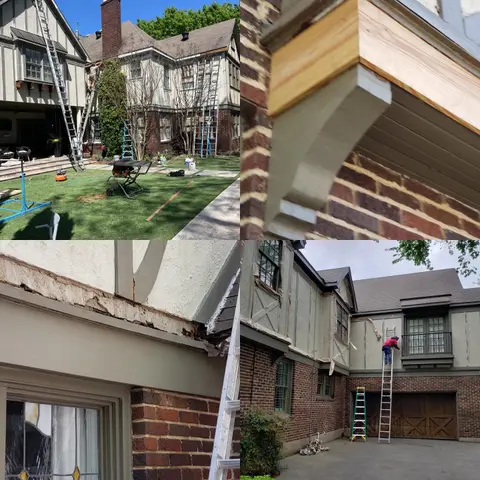 Gutters, siding, paint & solarSiding Repair or Replacement: Vinyl, Engineered Wood, Composite and ClapboardRepair siding when the damage is limited to a few boards or one wall, the material is still available and the sheathing behind it is dry…Read the guide
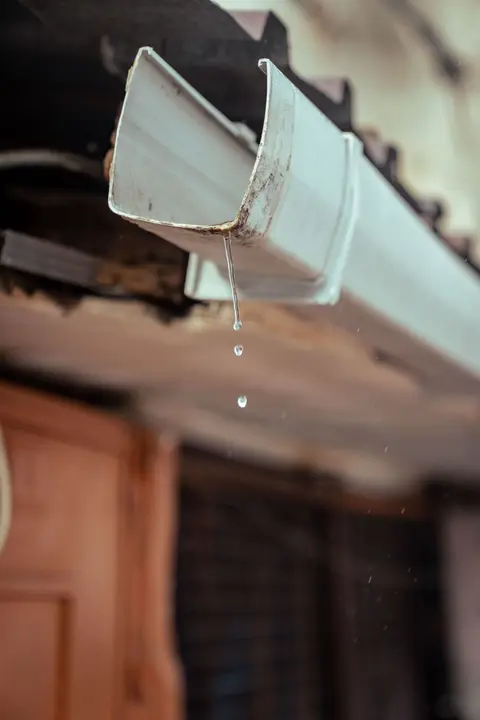 Gutters, siding, paint & solarGutters for Texas Homes: Sizes, Materials, Guards and ReplacementMost North Texas homes do well with seamless aluminum K-style gutters, 5-inch on typical roofs and 6-inch on large or steep roof areas, with downspouts that…Read the guide
 Repair or replaceRoof Maintenance Checklist for Texas HomeownersA North Texas roof needs a professional inspection twice a year, ideally spring and fall, plus a check after every hail or high-wind storm. Between visits…Read the guide