My Texas Insurer Says I Must Replace My Roof Before Renewal. What Now?
 By Chris Grimes, owner of Verde RoofingPublished November 17, 2026 · 12 min read
In short
In Texas, start by getting the insurer's reason in writing: a company must give 60 days' notice of nonrenewal and a written statement of why. State rules let an insurer act on a roof's physical condition but not on a home's age alone. Then get an independent roof condition report with photos, decide between repairing the listed items and replacing the roof, and shop other carriers before the policy ends.
Key takeaways
- Texas Insurance Code §551.105 requires written notice of nonrenewal at least 60 days before the policy expires; without it, the insurer must renew at your request.
- For a policy canceled or not renewed after January 1, 2026, the Texas Department of Insurance says the company must give you a written statement of the reason.
- TDI's rule 28 TAC §21.1006 bars declining residential coverage because of the property's age but allows decisions based on physical condition, including roofing.
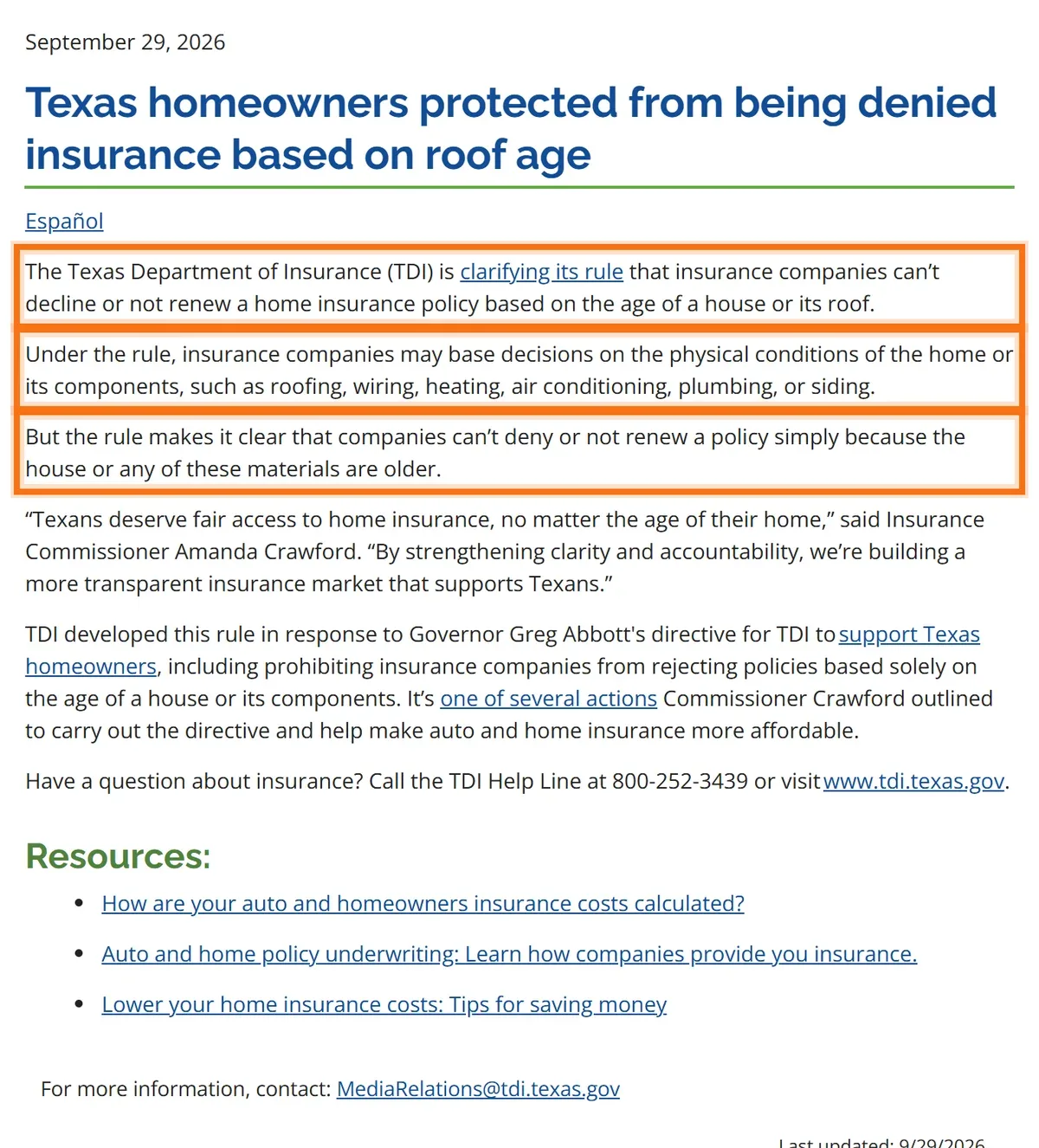
- A September 29, 2026 TDI proposal would spell out that roof age alone is not a valid reason; as of November 18, 2026 it was still a proposal, not an adopted amendment.
- A renewal requirement is an underwriting matter, not a storm claim: insurance does not pay for a roof that is simply old or worn out.
The letter usually arrives a couple of months before renewal. It says the company will not renew your homeowners policy unless the roof is replaced, or it gives a date by which you must send proof of a new roof. Sometimes it follows an inspector's visit. Sometimes nobody came to the house at all and the decision was made from an aerial photo.
You have more room to move than the letter suggests, but the clock is real. This guide walks through what Texas law requires of the insurer, how to find out what the company actually saw, and how to choose between pushing back, repairing, replacing and changing carriers.
First, what kind of notice did you get?
Three different letters get described as “they are making me replace my roof.” They are not the same, and the right response differs.
- A nonrenewal notice. The company will not continue the policy after its end date. The Texas Department of Insurance (TDI) defines nonrenewal exactly this way, and it is the most common form of a roof requirement.
- A conditional renewal. The company will renew only if you replace or repair the roof by a date. TDI describes this pattern: a company might say you have six months to make repairs or it will not renew.
- A renewal with a change in roof coverage. The policy continues, but the roof moves from replacement cost to actual cash value, or roof coverage is dropped. TDI warns that some companies switch to actual cash value as roofs age, and that a company might not cover a roof in poor condition at all. Texas Insurance Code §551.1055 treats this as a material change that must be shown conspicuously, in plain language, in the renewal notice at least 30 days before the renewal date.
A mid-term cancellation is a fourth thing and much rarer. Texas Insurance Code §551.104 limits cancellation to listed reasons such as nonpayment, a fraudulent claim or an increase in hazard that is within your control. A homeowners policy that has been in effect less than 60 days can also be canceled if the insurer finds a condition that raises the risk and was not disclosed on the application.
If your letter is the third kind, the question is no longer whether you have insurance but what it would pay. Our guide to ACV versus RCV and roof depreciation explains what that switch costs you after a storm.
What does Texas require the insurer to tell you, and when?
Two things: time and a reason.
Time. Texas Insurance Code §551.105 says that unless the insurer has mailed written notice of nonrenewal no later than the 60th day before the policy expires, it must renew the policy at your request. TDI's consumer page states the same rule as 60 days' notice for policies bought or renewed in 2024 or later. Compare the mailing date on your notice with the expiration date on your declarations page.
A reason. TDI says that if your policy was canceled or not renewed after January 1, 2026, the company must give you a written statement telling you why. Texas Insurance Code §551.002 describes what that statement has to contain: the precise incident, circumstance or risk factors that apply to you, and the source of the information the insurer relied on.
That second part matters for a roof. “Roof condition” is a category, not a reason. You are entitled to know what the company says is wrong and where it got that information: an inspector on site, an aerial image, the roof age in its file, or a claim record. TDI's own list of nonrenewal reasons puts roof condition, maintenance and tree overhang under “condition of property.”
Ask for three things in writing, through your agent or the company's underwriting department:
- The specific roof conditions the company relied on, and on which slopes.
- The source and date of the information: inspection report, photos or imagery.
- What the company will accept to change the decision: a repair invoice, a roof condition report, photos, and by what date.
Can a Texas insurer refuse to renew because of the roof's age alone?
This is the part of the law that moved in 2026, so here is exactly what exists and what does not.
The rule in force. TDI's rule at 28 Texas Administrative Code §21.1006 has said for years that an insurer may not decline to write residential property insurance based on the age of the property. The same rule says it does not stop an insurer from declining coverage based on the physical condition of the property, and it lists roofing by name along with wiring, heating, air conditioning and plumbing.
The proposal. On September 29, 2026, TDI issued a proposal to amend §21.1006, announced in a news release titled “Texas homeowners protected from being denied insurance based on roof age.” The proposed text would say an insurer may not decline to write coverage based on the age of the property or of any of its individual components or materials, including roofing and siding. TDI's own explanation says the amendments clarify the existing prohibition against refusing to write or renew based on age and “do not change the rule's meaning or application.”
Its status. The proposal set a public hearing for November 3, 2026 and a written comment deadline of November 9, 2026. When we checked TDI's table of proposed and adopted rules on November 18, 2026, the §21.1006 row showed the proposal filed and published, with no adoption date and no effective date. So as of that day it is a proposed amendment, not an adopted one. Check TDI's rules page for the current status before you quote it to anyone.
What this means for your letter: if the stated reason is only a number, such as “roof over 15 years old,” you have grounds to ask the company how that squares with §21.1006, and to ask TDI the same question. If the stated reason is condition, such as granule loss, curling, lifted shingles, exposed fasteners or prior patching, the rule does not protect the roof, and the conversation turns to evidence and repairs.
Nothing in the rule guarantees the same price or the same coverage for an older roof. A company can still offer actual cash value on the roof, as described above.
What does an independent inspection have to establish?
The insurer's reason is a claim about condition. The only useful answer is better evidence about condition. A report that helps you will cover:
- Material, layers and approximate age, with the basis for the age: permit record, closing documents, a prior invoice.
- Each condition the insurer named, confirmed or not, with dated close-up and wide photos of every slope.
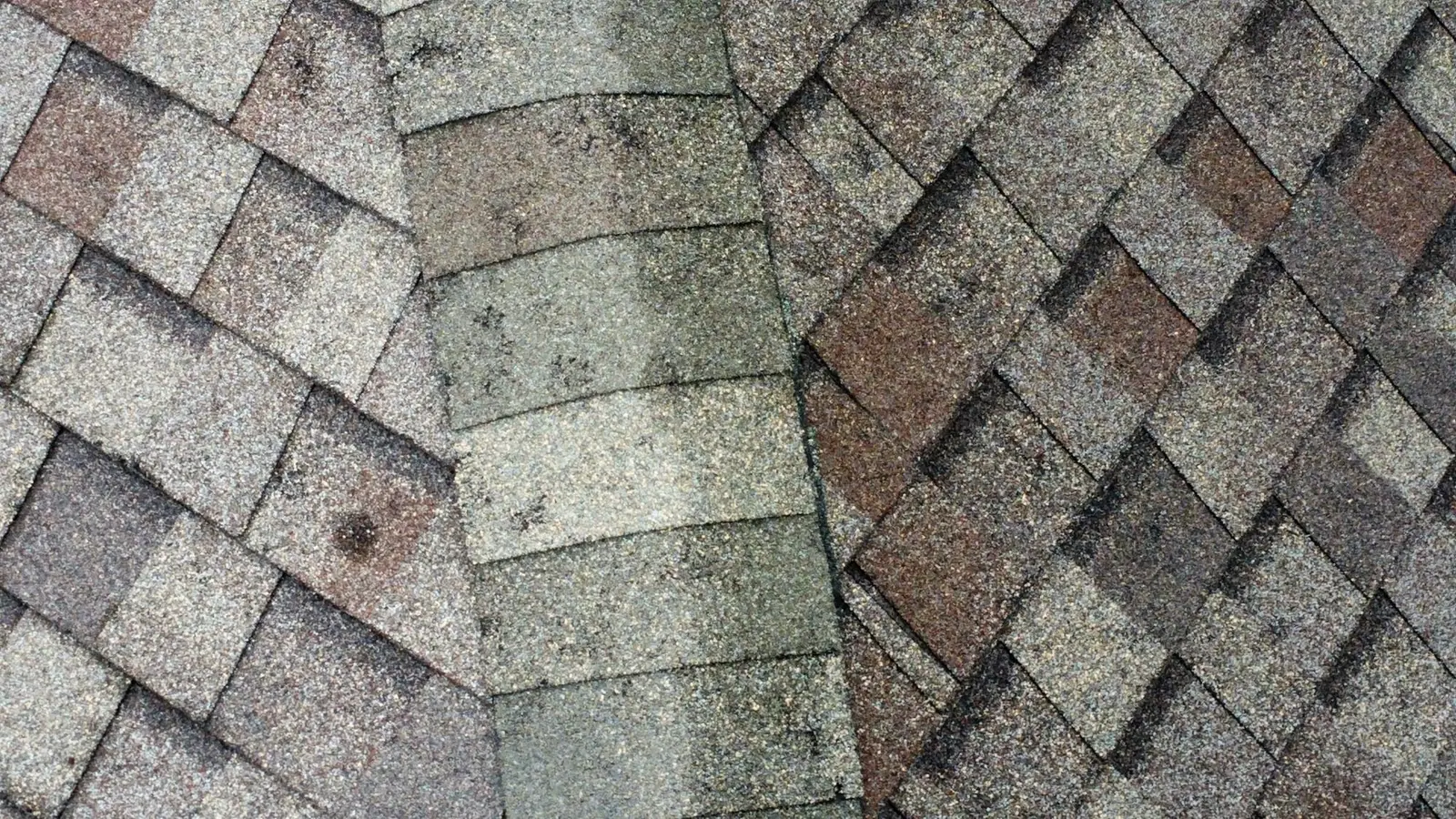
- Whether the problems are isolated or spread across the roof. A lifted ridge cap and two damaged pipe boots are a repair list. Brittle shingles shedding granules on every slope are not.
- Whether the shingles can still be repaired, meaning they can be lifted and resealed without breaking, and whether matching shingles are still made.
- Leak evidence in the attic and on ceilings.
- Storm damage versus wear, kept strictly apart. This matters for the next section.
Do not climb onto an old, steep or damaged roof to take your own photos. Ground-level and attic photos are enough for you to add.
HomeGuide's national cost guide puts a roof inspection at $100 to $400 on average, and says adding a roof certification costs $75 to $200. Those are published national figures, not ours. A Verde inspection is free: Chris walks the roof with you, documents what he finds with photos and explains repair versus replacement. Whether your insurer accepts a roofer's report, and in what form, is the insurer's decision, so ask before you order anything. Our guide to which roof inspection report an insurer, buyer or lender will accept covers the differences.
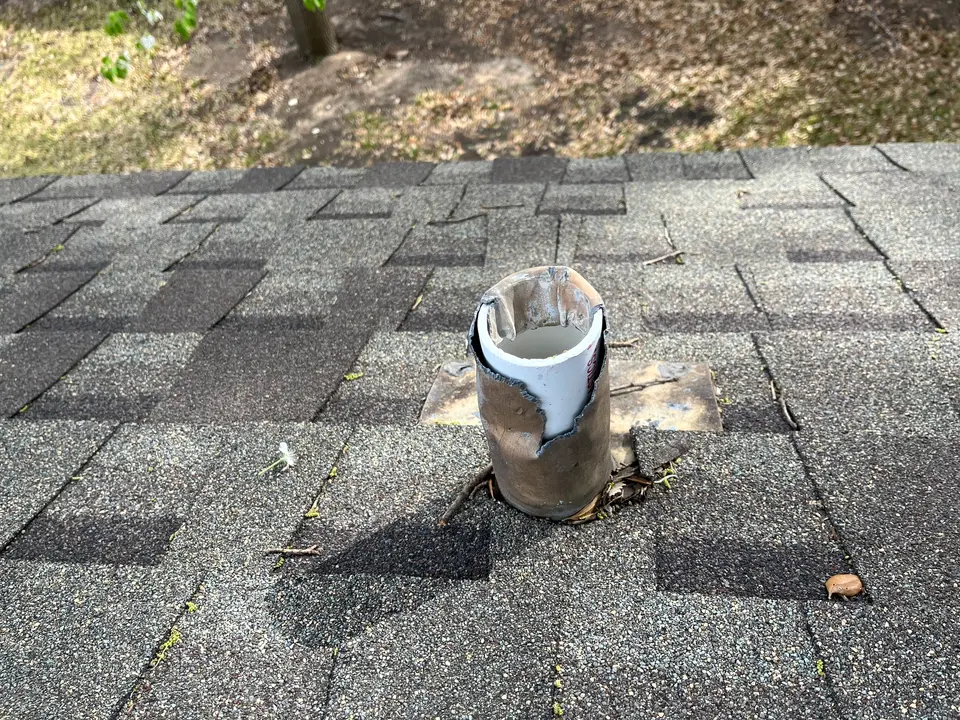
When I look at a roof for this reason, the first thing I want is the insurer's own wording. If the letter says “granule loss on the south slope,” that is the slope I photograph first, close and wide, because a general statement that the roof is fine does not answer a specific finding.
Is this a storm claim or an underwriting requirement in North Texas?
Keep these two apart, because mixing them causes trouble.
An underwriting requirement is the company deciding whether it wants the risk. Nobody pays you for it. TDI says directly that your insurance company will not pay for a new roof just because it is old or worn out.
A storm claim is the company paying for damage from a covered event. In Dallas–Fort Worth that usually means hail or wind. It runs under your policy's claim provisions, your wind and hail deductible and your policy's deadline, as laid out in how a roof insurance claim works in Texas.
Both can be true of the same roof. An inspection done for the renewal letter sometimes finds real hail bruising or wind creasing from a storm inside the claim window. If so, that is a separate decision that you make with your eyes open: read how long you have to file a roof claim in Texas and whether a roof claim raises your premium first.
What does not work is filing a claim for age and wear because a deadline is close. It will be denied, and the renewal problem will still be there. An honest inspection report says which is which. We document what we find and write the repair estimate; you own any claim, and only you or a licensed public adjuster can act on it with the insurer.
Repair, replace, switch carriers or complain: which option fits?
Here are the realistic paths, with published national cost ranges where a cost applies:
| Option | When it fits | What it involves | What it does not solve | Typical published cost |
|---|---|---|---|---|
| Ask for the reason and the evidence in writing; correct errors | Always the first step. Essential when the reason is age only, or the roof age or material in the insurer's file is wrong | A written request through your agent or underwriting; proof of the real roof age (permit, invoice) | A roof that is truly in poor condition | None |
| Independent roof condition report | The insurer's finding is vague, came from imagery, or you believe the roof is sound | On-roof and attic inspection, dated photos by slope, written findings | The insurer is not obliged to accept it; ask first what it will accept | HomeGuide: $100–$400 for an inspection, plus $75–$200 for a certification, national averages |
| Repair the listed conditions | Problems are isolated and the shingles can still be worked | Replace damaged shingles, ridge caps, pipe boots or flashing; trim overhanging limbs; send invoice and photos | A roof at the end of its life; a company that has set replacement as its only condition | HomeGuide: $150–$1,000 for minor repairs, $1,000–$3,000 for moderate ones |
| Replace the roof | Wear is spread across the slopes, repairs would break brittle shingles, or the roof was due within a few years anyway | Tear-off, decking check, new roof, permit where the city requires one; send the invoice and completion photos | The cost: this is your money, not insurance money | HomeGuide: $5,700–$16,000 national average; size, pitch, layers, decking and material move it |
| Shop other carriers | Always, in parallel, from the day the notice arrives | Quotes through an independent agent and TDI's HelpInsure.com; expect each company to look at the roof | A roof no standard company will write | Premium difference only |
| Texas FAIR Plan | After at least two companies have declined you | Application through an agent; the association has its own eligibility requirements | It is a last resort, not a long-term plan | Its own rates |
| TDI complaint | The reason is age alone, the notice was late, or no written reason was given | Call the Help Line at 800-252-3439 or file online | TDI reviews the insurer's conduct; it does not make a company write a roof in poor condition | None |
How to read this: the first two rows cost little and decide which of the rest you need, so do them in the first week. Repair and replacement only make sense once you know, in writing, that the result will be accepted. Shopping runs alongside everything else, because a new policy has to be in place before the old one ends whatever you decide about the roof.
If you are weighing the last two cost rows against each other, our repair or replace decision guide goes deeper, and the roof cost calculator gives a planning range for your own roof size before anyone visits.
If you decide to replace
Do it for the right reasons and in the right order. Confirm with the insurer or your agent, in writing, that a replacement resolves the nonrenewal and what proof is needed. Then choose materials with insurance in mind: TDI notes that a company might give a discount for roofing less likely to be damaged by wind, hail or fire. Our guide on whether a new roof lowers your insurance in Texas explains how the impact-resistant credit works and what paperwork the company wants.
Ask for the deck allowance in the quote. On older North Texas roofs some decking often has to be replaced once the shingles come off, and what roof decking replacement costs in DFW explains how that line should be priced. If money is the obstacle, see the ways to pay for a new roof.
What a full job includes is on our roof replacement page. Verde's price is always a written estimate after a free inspection.
What should a quote say when the insurer set the deadline?
A quote written for this situation needs a few lines an ordinary quote does not:
- The conditions being corrected, in the insurer's own words where possible, so the invoice answers the letter.
- Scope by slope for a repair, or full tear-off and material for a replacement, including the shingle line and its impact rating if you want a discount.
- Decking: the price per sheet if rotten or delaminated decking is found.
- Permit: who pulls it and whether the fee is included.
- A completion date before your policy deadline, with weather allowed for.
- Completion documents: dated photos of every slope, the paid invoice, and any installation certificate your insurer asks for.
Then send the documents to the insurer yourself, or through your agent, and ask for written confirmation that the condition is satisfied.
What should you do this week?
- Find the policy expiration date and the date the notice was mailed. Count the days.
- Ask for the written reason, the source of the information and what the company will accept.
- Check the roof age and material in the insurer's file and correct any error with documents.
- Get the roof inspected and photographed, with storm damage and wear reported separately.
- Start quotes with other carriers the same day. Do not wait for the insurer's answer.
- Decide on repair or replacement only after you know what will be accepted.
- If the reason is age alone, or the notice or the written reason is missing, call TDI at 800-252-3439.
- Do not let the policy lapse. If two companies decline you, ask an agent about the Texas FAIR Plan as a bridge.
For how long each roofing material normally lasts here, and why North Texas heat and hail shorten the charts, see how long a roof lasts in Texas.
Get the roof documented before the deadline
Call or text (214) 687-1951, 24/7, or book a free roof inspection. Chris will walk the roof with you, photograph the conditions your insurer named, tell you honestly whether it is a repair or a replacement, and give you a written estimate you can send with your reply.
Questions people ask next
Can an insurance company in Texas drop me just because my roof is old?
TDI's rule 28 TAC §21.1006 says an insurer may not decline to write residential property insurance based on the age of the property, and TDI says that covers refusing to renew because of a roof's age. The same rule lets a company act on the roof's physical condition. So the question to ask is what condition the company found, and what evidence it has.
How much notice does a Texas insurer have to give before not renewing my homeowners policy?
Sixty days. Texas Insurance Code §551.105 says that unless the insurer mailed written notice of nonrenewal no later than the 60th day before the policy expires, it must renew the policy at your request. TDI notes the 60-day period applies to policies bought or renewed in 2024 or later. Check the mailing date on your notice against the policy end date.
Will my insurance pay for the new roof if the company is the one requiring it?
No. A renewal condition is an underwriting decision, not a covered loss. The Texas Department of Insurance says plainly that an insurance company will not pay for a new roof just because it is old or worn out. Insurance pays only when a covered event such as hail or wind damaged the roof, and that is a separate claim with its own rules and deadlines.
Will a letter from a roofer change my insurer's mind?
Sometimes, and no one can promise it. A dated roof condition report with photos gives the underwriter evidence to weigh against a drive-by or aerial image. Ask the company or your agent first what it will accept: who must sign it, what it must state and the deadline. The insurer decides; a roofer cannot speak for you on coverage.
What is the Texas FAIR Plan and when can I use it?
The Texas FAIR Plan Association is the state's home insurer of last resort. Its website says applicants must have two declinations from other insurers to obtain coverage, and you apply through an agent. Treat it as a bridge, not a goal: shop the regular market first, because TDI says about 160 companies sell home coverage in Texas.
Can my insurer cancel my policy in the middle of the term because of the roof?
Mid-term cancellation is limited by Texas Insurance Code §551.104 to listed reasons such as nonpayment, a fraudulent claim, or an increase in hazard within your control. A homeowners policy less than 60 days old can also be canceled for an undisclosed condition that raises the risk. An older roof is far more often raised at renewal than as a mid-term cancellation.
Should I file a hail claim instead of paying for a roof the insurer wants replaced?
Only if a storm actually damaged the roof. Have the roof inspected and ask the inspector to separate storm damage from age and wear. If there is real hail or wind damage inside your policy's deadline, a claim is a legitimate, separate step. Filing a claim for wear alone will be denied and still leaves the renewal problem unsolved.
Sources
- Texas Department of Insurance: Was your home insurance canceled or not renewed?
- Texas Insurance Code §551.105: Nonrenewal of Policies; Notice Required
- Texas Insurance Code §551.002: Written Statement of Reasons for Declination, Cancellation, or Nonrenewal
- Texas Insurance Code §551.104: Authorized Cancellation of Policies
- Texas Insurance Code §551.1055: Changes to Policy on Renewal
- TDI news release, September 29, 2026: Texas homeowners protected from being denied insurance based on roof age
- TDI: Proposed amendments to 28 TAC §21.1006 (PDF, issued September 29, 2026)
- TDI: Proposed and Adopted Rules for 2026 (status table)
- 28 Tex. Admin. Code §21.1006, current text (Cornell Legal Information Institute)
- TDI: Insurance and your roof: What to know when buying a policy or filing a claim
- TDI: Is your home policy up for renewal? Here's what to look for
- TDI blog: Home insurance not renewed? You have options
- TDI: Reasons home and auto insurance policies are declined, canceled, or not renewed
- Texas FAIR Plan Association
- TDI: Get help with an insurance complaint
- HomeGuide: Roof inspection and certification cost
- HomeGuide: Roof repair cost
- HomeGuide: Roof replacement cost
Chris Grimes owns Verde Roofing in Plano, Texas, a locally owned residential and commercial roofer serving Dallas–Fort Worth. Verde is an NTRCA Accredited Member, an RCAT member and a Dallas Observer Best of Dallas Best Roofer winner (readers’ choice) in 2021, 2022 and 2023.
Keep reading
Related guides
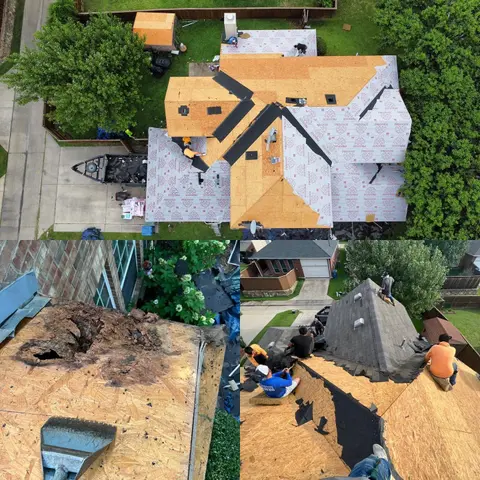 Repair or replaceHow Long Does a Roof Last in Texas? Lifespan by MaterialPublished life-expectancy charts give about 20 years for 3-tab asphalt shingles, about 30 for architectural shingles, 40 to 80 for metal and far longer for clay…Read the guide
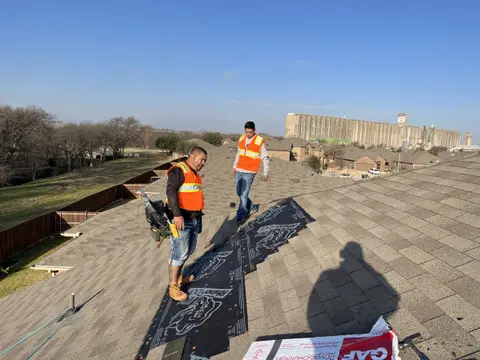 Hiring a rooferWhat Roof Inspection Report Will a Texas Insurer, Buyer or Lender Accept?It depends on who is asking. A Texas insurer deciding whether to write or renew a policy wants proof of the roof's condition, and for a…Read the guide
 Repair or replaceRepair or Replace Your Roof? An Honest Decision GuideRepair when the roof is reasonably young, the damage is limited to one area and the rest of the roof is sound. Replace when the roof…Read the guide