What Roof Inspection Report Will a Texas Insurer, Buyer or Lender Accept?
 By Chris Grimes, owner of Verde RoofingPublished November 9, 2026 · 12 min read
In short
It depends on who is asking. A Texas insurer deciding whether to write or renew a policy wants proof of the roof's condition, and for a new policy may require a report from a TREC-licensed inspector. A claim needs dated damage documentation. A buyer's TREC home inspection does not judge remaining life, so a roofer's evaluation fills that gap. An FHA appraiser can require a professional roofer's inspection. Ask the recipient first.
Key takeaways
- There is no single official “roof certification” in Texas: each recipient decides what document it accepts, so ask before you pay for one.
- Texas Insurance Code §551.104 lets an insurer cancel a homeowners policy in its first 60 days if it does not accept a required inspection report completed by a TREC-licensed inspector, or one otherwise authorized, dated within 90 days before the policy starts.
- TREC's Standards of Practice do not require a home inspector to determine a roof's remaining life expectancy, count layers or identify latent hail damage.
- HUD Handbook 4000.1 tells FHA appraisers to report a roof with less than two years of remaining life and make the appraisal subject to inspection by a professional roofer.
- HomeGuide puts a roof inspection at $100 to $400 on average nationally and a roof certification at $75 to $200 more; a Verde inspection with photos is free.
Someone has asked you for “a roof inspection report.” It might be your insurance agent, a buyer's agent, a loan officer or a claim adjuster. You call a roofer, get a page of photos and a signature, send it in, and hear back that it is not what they needed.
That happens because “roof report” means four or five different documents. Who wrote it matters as much as what it says. This guide sorts out which document each recipient usually wants, what a roofer's written report normally contains, and the questions to ask before anyone climbs a ladder.
Why is there no one roof report that everyone accepts?
Because each recipient is answering a different question, under different rules.
- An insurance underwriter asks: is this roof a risk we want to cover, and on what terms?
- A claim adjuster asks: did a covered storm damage this roof, where, and how much?
- A home buyer asks: what am I buying, and what will it cost me in the next few years?
- A mortgage lender asks: is the house sound enough to be collateral for this loan?
Texas adds one more wrinkle. The state does not license roofing contractors, so there is no state-issued credential that makes a roofer's signature official. The Texas Real Estate Commission (TREC) does license home inspectors, and some rules name them specifically. Our guide on whether Texas licenses roofers explains what a roofer can show instead.
So the first step is never the inspection. It is one question to the person who asked: what exactly do you need, from whom, and by when?
Which document does each recipient usually want?
Here is the short version, with the rule behind each row where one exists:
| Who is asking | What they are deciding | Document they usually want | Who has to produce it | What a roofer's report can and cannot do |
|---|---|---|---|---|
| Insurer, new policy | Whether to write the policy and at what price | Often its own inspection; sometimes a required inspection report | For a required report, Texas Insurance Code §551.104 refers to a TREC-licensed inspector or one otherwise authorized, dated within 90 days before the policy starts | Can support the file with photos and a recent replacement invoice. Does not replace a required inspector's report unless the insurer says so. |
| Insurer, renewal or nonrenewal | Whether the roof's condition is acceptable | Evidence that the condition it named is absent or fixed: condition report, photos, repair or replacement invoice | Whoever the insurer agrees to accept; ask in writing | Often the most useful document here, if it answers the insurer's specific finding. The insurer still decides. |
| Insurer, storm claim | Whether covered damage exists and its extent | Damage documentation: dated photos by slope, storm date, a repair estimate | You file; the insurer's adjuster inspects; a roofer documents | Can document and show damage. Cannot argue coverage for you. |
| Home buyer | What condition the roof is in and what it will cost | TREC home inspection report, plus a roofer's evaluation when the roof is flagged or old | A TREC-licensed inspector; then a roofer | Fills the gaps the TREC standards leave: remaining life, layers, hail damage, repair cost. |
| Lender or appraiser | Whether the property meets the loan program's standards | The appraisal; if it calls for one, a roof inspection by a professional roofer or other qualified professional | The appraiser raises it; the lender decides what satisfies it | Is exactly what an FHA appraisal can call for. The lender sets the form and wording. |
How to read this: the right-hand column is where a roofer's free inspection is enough and where it is not. In the second, third and fifth rows it is often the document that settles the matter. In the first and fourth it supports a report that someone with a specific license has to write.
The sections below take each recipient in turn.
What does an insurer want when it is writing or renewing a policy?
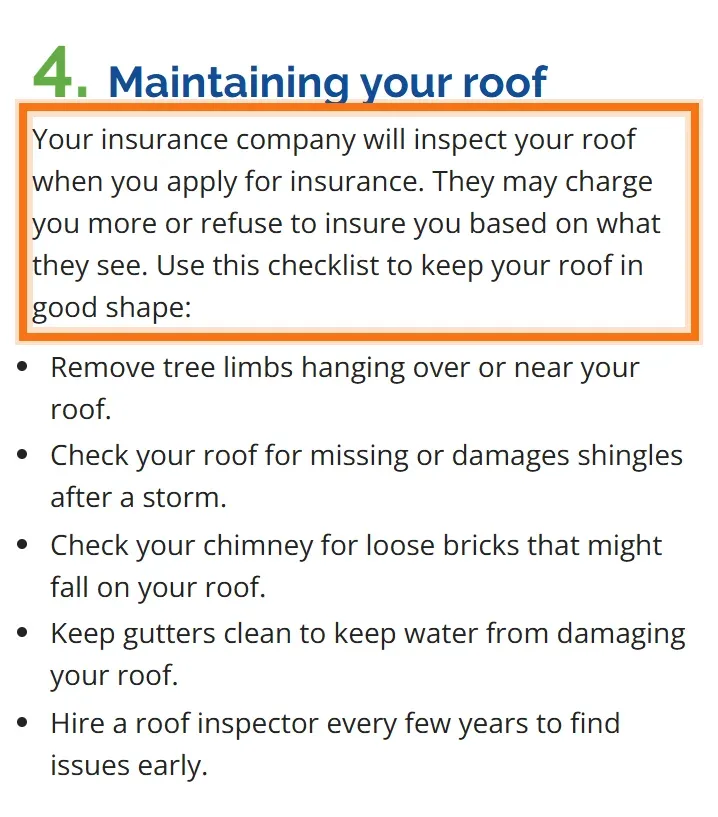
Underwriting is about condition and age, not storm damage. The Texas Department of Insurance (TDI) says your insurance company will inspect your roof when you apply for insurance, and that it may charge you more or refuse to insure you based on what it sees.
For a new policy. Some companies require an inspection report before the policy takes effect. Texas Insurance Code §551.104 describes one: completed by an inspector licensed by the Texas Real Estate Commission or otherwise authorized to perform inspections, and dated no earlier than the 90th day before the policy's effective date. If the insurer does not accept that report, it may cancel a homeowners policy that has been in effect less than 60 days. The same section says the report is treated as accepted if the insurer does not reject it before the 11th day after receiving it.
Two practical points follow. A home inspection from your purchase can sometimes double as the insurer's report if it is recent enough, so ask your agent before paying for a second one. And a roofer's letter is not the document that statute describes, although an insurer is free to ask for one as well.
For a renewal. Here the company has usually named a problem: roof condition, maintenance or overhanging trees all appear on TDI's list of reasons policies are not renewed. The document that helps is one that answers the named problem with dated photos, and a paid invoice if something was repaired. Our guide to an insurer requiring a roof replacement before renewal covers the notice rules and your options.
For a discount. If you installed an impact-resistant roof and want the premium credit, the insurer will ask for its own proof of the product installed. That is a different piece of paper again; see how the impact-resistant roof discount works in Texas.
What documentation does a storm claim need?
A claim is not asking whether the roof is in good shape. It is asking whether a specific storm caused specific damage. An underwriting-style letter saying “the roof has five years of life left” is close to useless here, and can even confuse the file.
What a claim file needs:
- The date of the storm and how you know it.
- Dated wide and close-up photos of each slope, with hail hits or wind creases marked.
- Photos of soft metals: vents, gutters, flashing, window wraps.
- Interior photos of any leaks before cleanup.
- A written repair estimate with scope and quantities.
- Receipts for temporary repairs. TDI says to save them because your policy may pay for those.
Our guide on how to document roof storm damage goes through each item, and what to expect at the insurance adjuster's roof inspection explains the meeting itself.
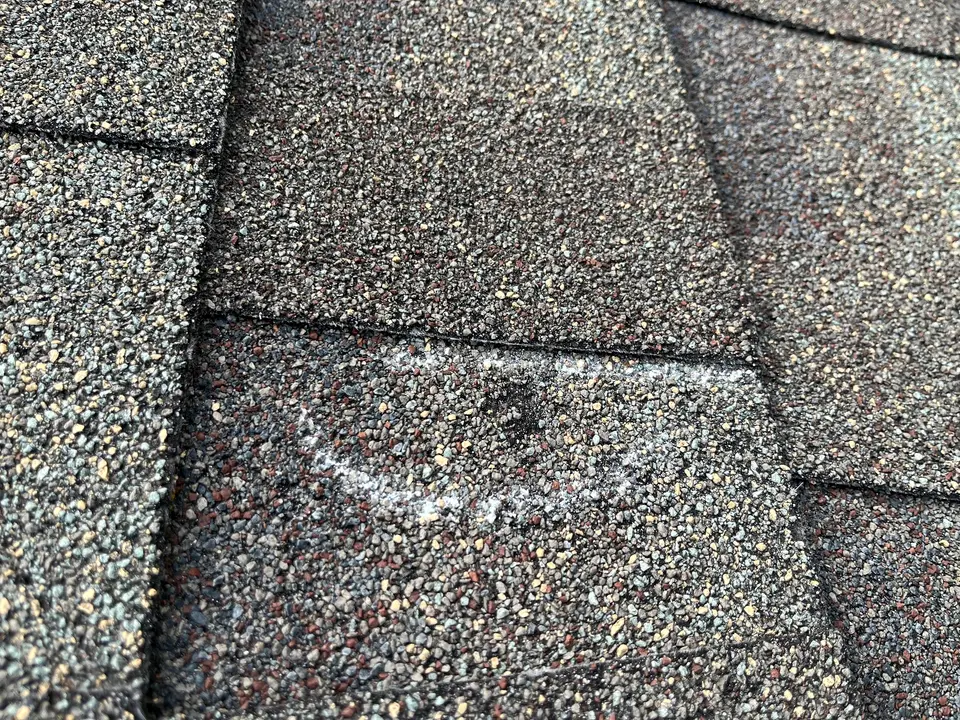
The line a roofer may not cross is set by Texas Insurance Code chapter 4102: a person may not act as a public insurance adjuster, meaning act for a policyholder in settling a claim, without that license. A roofer inspects, documents, writes the estimate and can meet the adjuster on the roof to point out what was found. The claim is yours.
What does a buyer need: a TREC home inspection or a roofer's evaluation?
Usually both, in that order.
A Texas home inspection follows TREC's Standards of Practice (22 Texas Administrative Code §535.228). For roof covering materials, the inspector must inspect from the surface of the roof and report the type of covering, the vantage point used, evidence of water penetration and evidence of previous repairs. The inspector marks as “Deficient” problems with fasteners, adhesion, the covering itself, flashing, skylights and other penetrations.
The same standard lists what the inspector is not required to do:
- Get on the roof if it cannot be reached or walked safely, or if walking it could damage the covering.
- Determine the remaining life expectancy of the roof covering.
- Determine the number of layers.
- Identify latent hail damage.
- Provide an exhaustive list of where every deficiency and leak is.
Those five gaps are exactly what a buyer most wants to know, and they are what a roofer's evaluation covers: how long the roof is likely to last, whether there are two layers, whether last spring's hail left damage, and what the fix would cost. For how to use that during the option period, see what to do when the roof comes up in the home inspection.
A roofer's evaluation also has limits a buyer should understand. It is an opinion on condition, not a guarantee the roof will not leak, and a roofer who would also like to sell the repair has an interest. Ask for photos of everything claimed, so the report can be checked by someone else.
Sellers can turn this around. A dated roofer's report with photos, ordered before listing, answers the roof question before a buyer's inspector raises it.
What do FHA, VA and conventional lenders require for the roof?
Lenders act through the appraiser. Nobody orders a “lender roof report” at the start; it appears only when the appraisal calls for one.
FHA loans. HUD Handbook 4000.1 (section II.D.3.g, Roof Covering) is specific. The appraiser must notify the lender if the roof covering does not prevent entrance of moisture or provide reasonable future utility, durability and economy of maintenance, and does not have a remaining physical life of at least two years. The appraiser must report if the roof has less than two years of remaining life and make the appraisal subject to inspection by a professional roofer. If the appraiser cannot see the roof, the handbook requires an explanation and a report on the underside of the roof, the attic and the ceilings.
This is the clearest case in which a roofer's written inspection is the required document. The appraiser triggers it, and the lender decides whether the roofer's findings satisfy the condition or repairs are needed before closing.
Conventional loans. Fannie Mae's Selling Guide (topic B4-1.3-06) says that when an appraiser is not qualified to evaluate needed repairs, the appraisal must note the deficiencies and be completed subject to a satisfactory inspection by a qualified professional, and that the lender decides whether that inspection is required and whether the property is eligible. The guide does not define who the qualified professional is for a roof, so the lender's instructions control.
VA loans. VA appraisals check the home against Minimum Property Requirements in Chapter 12 of the VA Lenders Handbook. VA announced in June 2026 that it had revised that chapter. Because the chapter was just revised, do not rely on an older summary of its roof wording: ask the lender what the VA appraisal says about the roof and what it will accept in response.
In every case, get the appraiser's exact wording from the loan officer before the roofer comes out. “Subject to inspection by a professional roofer” and “subject to roof replacement” lead to very different documents.
What does a roofer's written roof report usually contain?
There is no standard form in Texas, so content varies by company. A report that is useful to any of the recipients above generally has:
- Identification: property address, inspection date, who inspected, the company's name and contact details.
- How the roof was inspected: walked, viewed from a ladder, or by drone, and whether the attic was entered.
- Roof description: material, approximate age and the basis for it, number of layers where it can be seen at the edge, pitch, number of slopes.
- Condition findings by slope: granule loss, cracking, curling, lifted or missing shingles, exposed fasteners, sealant condition.
- Details: flashing at walls and chimneys, valleys, pipe boots, vents, skylights, drip edge, gutters.
- Leak evidence: stains on decking in the attic, ceiling stains, wet insulation.
- Storm damage, reported separately from wear.
- Dated photographs tied to each finding.
- Conclusion: no action, specific repairs, or replacement, with an estimate of remaining serviceable life when the recipient asks for one.
- Limits: what could not be seen and why.
When I write up a roof, I put the limits in plainly. If a slope was too steep to walk or the attic had no access, the report should say so, because a reader will otherwise assume everything was checked.
A remaining-life figure deserves caution. It is an estimate based on what is visible on one day, and a hailstorm the next week changes it. If a recipient needs a specific statement, such as two years of remaining life for an FHA condition, ask for the exact sentence it needs and let the roofer tell you honestly whether the roof supports it. If it does not, the answer is a repair or a replacement, not a kinder letter.
What it costs: HomeGuide's national guide puts a roof inspection at $100 to $400 on average, and says adding a roof certification, which estimates the roof's lifespan, costs $75 to $200. Roof size, pitch and the inspection method move the price. Those are published national figures, not Verde's. Our inspection with photos is free, and you can request one here.
What should you confirm with the recipient in North Texas before you order a report?
Seven questions, by email so you have the answers in writing:
- Who must perform the inspection: a TREC-licensed inspector, an engineer, a roofer, your own inspector?
- Is there a required form, or is a letter on company letterhead acceptable?
- What must it state: condition only, remaining life in years, absence of leaks, absence of hail damage?
- Are photos required, and of what?
- How recent must it be?
- Where does it go, to whom, and by what deadline?
- If the report recommends repairs, what proof of completion will you need?
Ten minutes on these saves paying twice. In a spring with hail across Collin and Dallas counties, inspectors and roofers are booked quickly, and a rejected report can cost you an option period or a renewal date.
When a report says repair or replace
A report is only the start if it finds a problem. The next steps depend on what it found:
- Isolated items, such as a damaged pipe boot or lifted ridge cap, are ordinary roof repairs, and the paid invoice with photos usually closes the question.
- A deck that dips or shingles that look wavy can point to a structural or decking problem; see how urgent a sagging roof or wavy shingles are.
- Wear across every slope is a replacement conversation; our repair or replace decision guide walks through it.
- Repairs done to satisfy a buyer or lender should come with something in writing about the work; see how long a roof repair should last and what its warranty should cover.
For owners who would rather not meet the roof for the first time under a deadline, regular documented checkups build the file in advance. TDI itself suggests hiring a roof inspector every few years, and our maintenance plans page explains how scheduled checkups work. The Texas roof maintenance checklist shows what to look at between visits.
Need a roof documented for someone?
Call or text (214) 687-1951, 24/7, or book a free roof inspection. Tell us who is asking and what they said they need. Chris will inspect the roof with you, document it with photos, and tell you plainly whether a roofer's report is the right document or whether someone else has to write it.
Questions people ask next
What is a roof certification letter, and who can write one in Texas?
It is a written statement from a roofer or inspector describing the roof's condition and, often, an estimate of remaining life. Texas has no state roofing license and no official certification form for it, so what matters is whether the insurer, lender or buyer asking for it will accept the person signing. Ask that question before ordering one.
Will my insurance company accept a report from a roofer?
Some will for a renewal question, and some want their own inspector or a TREC-licensed inspector. For a new homeowners policy, Texas Insurance Code §551.104 refers to a required inspection report completed by an inspector licensed by the Texas Real Estate Commission or otherwise authorized to perform inspections. Ask your agent which applies and what the report must state.
Does a home inspection tell me how many years the roof has left?
Usually not. Under the Texas Real Estate Commission's Standards of Practice, an inspector reports the roof covering type, where it was viewed from, evidence of leaks and repairs, and deficiencies. The standards say the inspector is not required to determine remaining life expectancy, the number of layers or latent hail damage. A roofer's evaluation covers those.
What does an FHA appraiser require for the roof?
HUD Handbook 4000.1 says the roof covering must prevent moisture from entering and provide reasonable future utility, durability and economy of maintenance. If the roof has less than two years of remaining life, the appraiser must report it and make the appraisal subject to inspection by a professional roofer. The lender then decides what repairs are required before closing.
How much does a roof inspection report cost?
HomeGuide's national guide puts a roof inspection at $100 to $400 on average and says adding a roof certification costs $75 to $200. Size, pitch, and whether a drone or infrared scan is used move the price. Verde's roof inspection with photos is free; ask the recipient whether a roofer's report meets its requirement before relying on any report.
How long is a roof inspection report good for?
As long as the recipient says. For a new homeowners policy, Texas law refers to an inspection report dated no earlier than 90 days before the policy's effective date. Lenders and buyers set their own limits, and any report is out of date after the next hailstorm. Put the inspection date and the photo dates on every page you send.
Can a roofer's report be used to make my insurance claim for me?
It can document the damage, but it cannot argue coverage. In Texas only a licensed public adjuster may act for a policyholder in settling a claim. A roofer inspects, photographs, writes a repair estimate and can meet the adjuster on site to show the damage found. You file the claim and you make the decisions.
Sources
- Texas Insurance Code §551.104: Authorized Cancellation of Policies (inspection report, subsections g and h)
- Texas Department of Insurance: Insurance and your roof
- Texas Department of Insurance: Reasons home and auto insurance policies are declined, canceled, or not renewed
- 22 Tex. Admin. Code §535.228: TREC Standards of Practice, structural systems (roof covering materials)
- HUD Handbook 4000.1, FHA Single Family Housing Policy Handbook (II.D.3.g Roof Covering; revised August 12, 2026)
- Fannie Mae Selling Guide B4-1.3-06: Property Condition and Quality of Construction of the Improvements (06/04/2025)
- VA News, June 25, 2026: VA updates home loan appraisal requirements
- Texas Insurance Code §4102.051: Public insurance adjusters, license required
- HomeGuide: Roof inspection and certification cost
- Texas Department of Insurance: After hail or windstorms (claim tips)
Chris Grimes owns Verde Roofing in Plano, Texas, a locally owned residential and commercial roofer serving Dallas–Fort Worth. Verde is an NTRCA Accredited Member, an RCAT member and a Dallas Observer Best of Dallas Best Roofer winner (readers’ choice) in 2021, 2022 and 2023.
Keep reading
Related guides
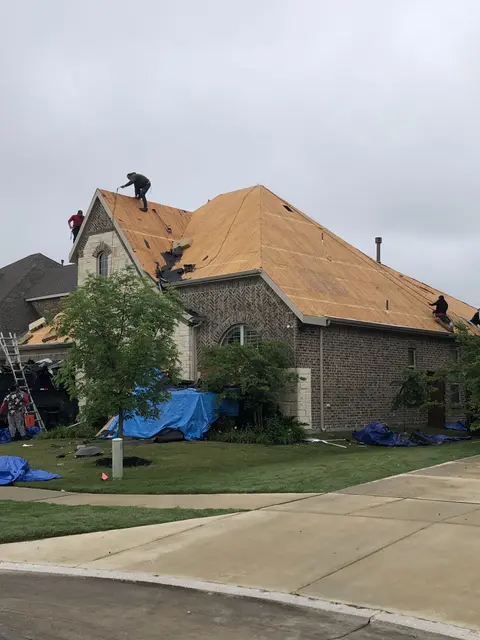 Repair or replaceThe Roof Came Up in the Home Inspection: What Sellers and Buyers Should DoA roof marked “Deficient” on a Texas inspection report is not a verdict that the roof must be replaced. TREC inspectors must report many minor items…Read the guide
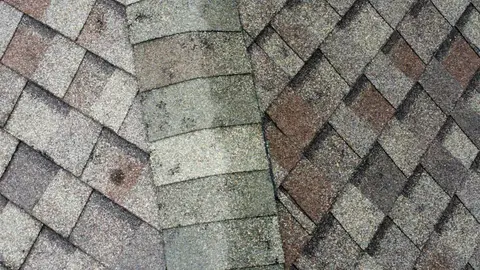 Insurance claimsMy Texas Insurer Says I Must Replace My Roof Before Renewal. What Now?In Texas, start by getting the insurer's reason in writing: a company must give 60 days' notice of nonrenewal and a written statement of why. State…Read the guide
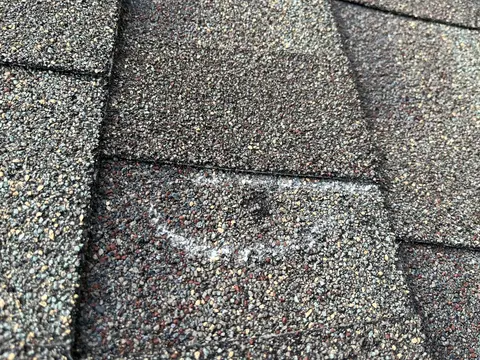 Hail & storm damageHow to Document Roof Storm Damage for Your Insurance ClaimTo prove roof storm damage, record the storm date, photograph hailstones and dented soft metal with a scale reference, capture wide and close-up photos of the…Read the guide