
How Long Should a Roof Repair Last in Texas, and What Should Its Warranty Cover?
 By Chris Grimes, owner of Verde RoofingPublished November 12, 2026 · 11 min read
In short
A roof repair in Texas that replaces the failed part, such as a pipe boot, flashing or damaged shingles, should last as long as the roof around it. A sealant-only patch is temporary. There is no standard repair warranty, so ask for one in writing that names the repaired area, its length, that a returning leak at that spot is fixed at no charge, and every exclusion.
Key takeaways
- A repair is only as durable as its weakest part: a new pipe boot on a worn, brittle roof can outlast the shingles around it, and the next leak may come from them.
- Replacing the failed component is a lasting repair; sealant over the top of it is a temporary one, and North Texas sun shortens its life.
- We know of no Texas statute or industry standard that sets the length of a roof repair warranty, so the written terms are the warranty.
- A leak in the same room is not always the same leak: a repair warranty should cover the repaired entry point, and a new entry point is a new repair.
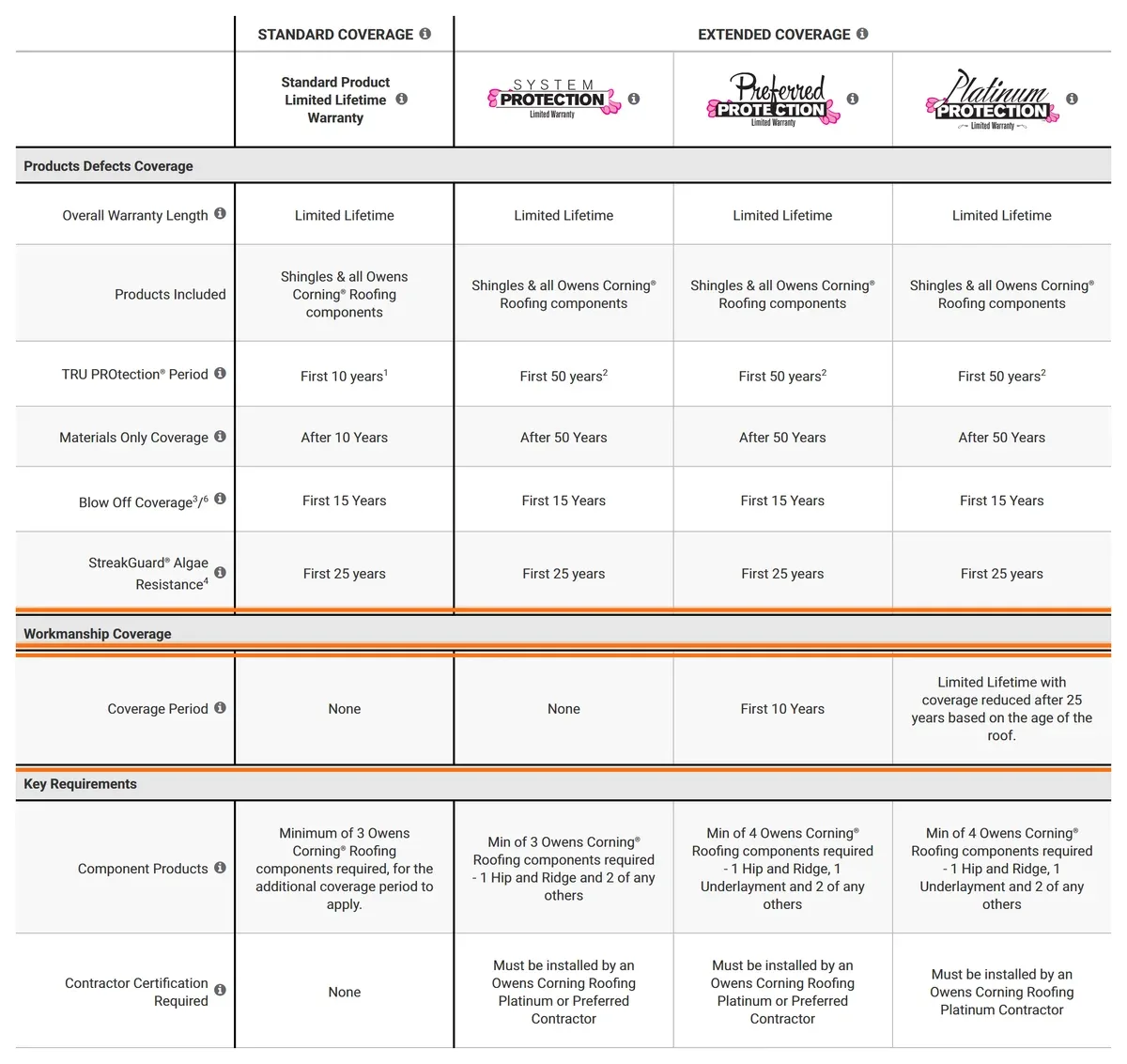
- Owens Corning’s standard shingle warranty shows no workmanship coverage, so a repair is backed by the roofer who made it, not by the shingle maker.
You are about to pay a few hundred dollars, maybe more, to stop a leak. The roofer says it will be fixed. What you want to know is for how long, and what happens if the stain comes back after the next storm.
Those are fair questions, and most repair invoices do not answer them. This guide explains what decides the life of a roof repair, how to tell a returning leak from a new one, and the exact terms to ask for in writing before the work starts.
How long should a roof repair last in North Texas?
A repair that replaces the part that failed should last as long as the roof around it. If a cracked pipe boot is replaced with a new one, correctly lapped under the shingles above it, that boot is now one of the newest parts of the roof. The same goes for new step flashing, a rebuilt valley or a section of new shingles on sound decking.
A repair that only covers the failed part will not. Sealant over a split boot, roof cement along a flashing edge or a dab over a nail head buys time. How much time depends on the product, the joint and how much sun and heat it takes, and nobody can honestly promise a number.
So the first question for any roofer is not “how long is the warranty.” It is “are you replacing the part or sealing over it?”
What decides how long a repair lasts: the patch or the roof around it?
Both, and the second matters more than people expect. A repair has three things working for or against it.
The repaired detail itself. Was the cause found, or only the symptom? Water that shows at a bathroom ceiling may be entering at a wall flashing four feet uphill. A repair made at the stain instead of the entry point will fail on the next rain, however well it was done. Our guide on what to do when the roof leaks explains how leaks are traced.
The tie-in. A repair is joined to old material on every side. New shingles have to be slid under old ones that may be brittle, and old shingles have to be lifted to nail the new ones. On a roof with years of North Texas heat in it, lifting a shingle can crack it or break its seal. A careful roofer hand-seals what was lifted. A careless one leaves you a new weak spot next to the repair.
The surrounding roof. A new boot does nothing for the worn shingles three feet away. On an older roof, the repaired spot can easily become the strongest part of the slope.
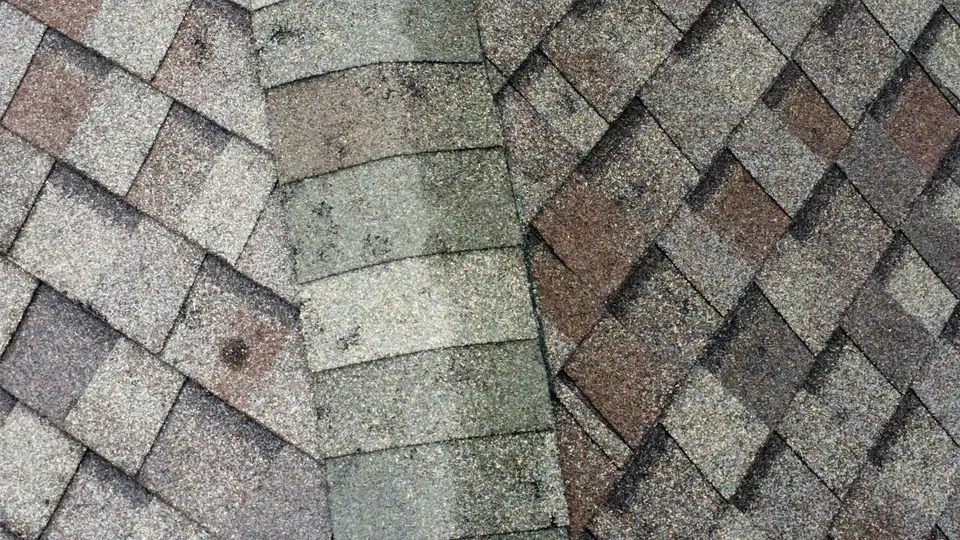
This is also why an honest repair warranty on an old roof is narrower than one on a young roof. It is not the roofer dodging. It is the roofer declining to promise something about material they did not install and cannot control. How long a roof lasts in Texas gives you a sense of where your roof is in its life.
Which roof repairs are lasting and which are temporary?
Here is how the common repairs compare, with the ranges Fixr publishes in its 2026 national cost guides:
| Repair | It lasts as long as | What it does not solve | Fixr 2026 published range |
|---|---|---|---|
| Sealant or roof cement over the leak | The sealant stays flexible and bonded; temporary by nature | The failed part is still there | Minor fixes from about $100 |
| New pipe boot or vent flashing | The boot material and the shingles lapped over it | Other boots of the same age, which are usually close behind | $75 to $250 per vent in the repair guide; $100 to $600 as a leak repair |
| Replacing damaged or missing shingles | The seal and brittleness of the old shingles it ties into | Why they failed: wind, nailing or age across the slope | $150 to $700 |
| New or re-lapped flashing at a wall or chimney | The flashing metal and the wall covering over it | Masonry, siding or stucco defects above the flashing | $200 to $600 |
| Rebuilding a valley | The new valley materials and the decking under them | Debris and tree cover that keep the valley wet | $300 to $1,500 |
| Resetting popped nails and replacing lifted shingles | The nail-holding strength of the decking | Deck movement or attic moisture that pushed the nails out | $200 to $500 |
| Replacing a section of decking and re-shingling | The new wood and the roof over it | The leak that rotted it, unless that is fixed in the same visit | $150 to $1,000 for decking |
How to read it: the second column is the honest answer to “how long,” and the third column is what a warranty on that repair cannot reasonably include. The dollar figures are national published ranges from Fixr, not our prices. Pitch, height, material and how much wood is wet move them. Our roof repair cost guide breaks the pricing down further, and the guides to leaking roof valleys and roof nail pops cover those two repairs in detail.
If a quote says only “seal leak” or “repair as needed,” ask which row of this table it is. Call or text (214) 687-1951 if you want us to look at the spot and tell you what we would replace.
Is a leak in the same room the same leak?
Not always, and this is where most arguments about repair warranties start. A stain is where water ends up. A repair is made where water gets in. Two different entry points can feed the same stain.
This is the line a fair warranty draws:
| What happens after the repair | Same leak or new one? | What is reasonable |
|---|---|---|
| Water enters again at the repaired detail, inside the warranty period | Same leak | The roofer returns and corrects it at no charge, labor and materials |
| The same ceiling stain grows, but photos show a different entry point uphill | New leak | A new inspection and a separately priced repair |
| The stain returns only when the air conditioning runs, not when it rains | Not a roof leak | An HVAC technician; see why an attic is wet when it has not rained |
| A hailstorm or high wind damages the repaired area | New storm damage | Your homeowners policy, not the repair warranty |
| A part the roofer recommended replacing, and you declined, fails next to the repair | New leak, and foreseeable | Priced separately, if the recommendation was written on the estimate |
| The old stain looks darker but the attic is dry | Probably the old stain | Prime with a stain-blocking primer and repaint after the roof is confirmed dry |
How to read it: the test in every row is the entry point, shown in a photo. That is why before-and-after photos of the repair are worth asking for. They are the only way either side can tell later whether the repaired detail failed or something else did.
A repair that fails at the same detail more than once is its own signal. Fixr's 2026 leak guide notes that recurring leaks may point to a problem with the original installation, and that replacement can then be more economical than repeated repairs. If the roof is recent, read who should fix a brand-new roof that leaks.
What should a roof repair warranty cover?
Start with who is giving it. A shingle manufacturer's warranty covers defects in the product. It does not cover a repair crew's work.
That leaves the roofer's own written terms. The Federal Trade Commission's consumer advice on warranties is blunt about two things that apply here. On exclusions: if covered parts or repairs are not listed, assume they are not covered. On spoken promises: get them in writing, because a business may later refuse to perform a service that was only promised out loud.
A repair warranty worth having states:
- The location. “Pipe boot, rear slope above the hall bath,” not “roof repair.”
- The promise. That the repaired detail will not leak for the stated period.
- The length and the start date.
- The remedy. Return and correct at no charge, labor and materials both.
- Interior damage. Whether a ceiling stained by a failed repair is covered, yes or no.
- The response. How to make a claim and how quickly someone will come out.
- The exclusions, listed plainly.
- Transfer, if you may sell the home.
Ask us for the repair warranty terms in writing with your estimate, and ask every other roofer you are comparing for the same. Roof warranties explained covers the warranties that come with a full replacement.
What do repair warranties usually exclude, and which exclusions are fair?
Exclusions are not a bad sign. Vague ones are. These are common and reasonable when written clearly:
- Storm damage after the repair: hail, wind, fallen limbs. That belongs to your insurer.
- Anything outside the repaired area. Another slope, another penetration, another flashing.
- Work by others afterward. A satellite, solar or HVAC installer disturbing the repair.
- Conditions noted and declined. Rotten decking you chose not to replace, a second boot you chose to leave.
- Parts that are not roofing. Chimney masonry, siding, windows, stucco.
- Lack of maintenance, such as a valley left packed with leaves.
These deserve a second look:
- “Warranty void if any other leak occurs.” A leak elsewhere says nothing about the repair.
- “Sealant repairs carry no warranty,” on a quote where sealant is the entire repair. Then you are buying a temporary fix and should be told so.
- No written exclusions at all, with a verbal “we stand behind everything.”
Does a repair by a different roofer affect the warranties you already have?
It can. If the roof is still inside the original installer's workmanship warranty, that installer normally expects the first chance to inspect and repair. A second company lifting shingles or changing flashing gives the first one a reason to say the work is no longer theirs.
The order that protects you:
- Read the original warranty for a clause about alterations or repairs by others.
- Ask the original installer, in writing, to inspect.
- If they will not come, keep that record, then hire the repair.
- Ask the repairing roofer to photograph the area before touching it.
Texas law leans the same way. Chapter 27 of the Property Code, the Residential Construction Liability Act, defines a construction defect to include a deficiency in the repair of an existing residence, and it is built on written notice and giving the contractor a reasonable opportunity to inspect. Section 27.003 also says a contractor is not liable for normal wear, or for damage caused by an owner's failure to maintain the home or to give timely notice. We are not lawyers, and whether that chapter applies to your repair is a question for a Texas attorney, but its logic is a good habit either way: report problems promptly, in writing, with photos.
When is a repair, and its warranty, not worth much?
When the roof around it is finished. A roofer who looks at brittle, curling shingles and offers a short, narrow warranty on a repair is being straight with you. A roofer who offers a long one on the same roof is either not planning to honor it or has not looked closely.
Signs the repair is buying months instead of years:
- The shingles crack when lifted.
- This is the third or fourth leak in different places.
- The decking is soft in more than one area.
- The repair estimate is a meaningful share of what a new roof would cost.
At that point the better question is in our guide to repairing or replacing a roof, and the roof cost calculator will give you a rough replacement figure to weigh the repair against. A repair can still be the right call to get through a season. Just buy it knowing what it is.
What should you ask for in writing before you approve a repair?
Nine lines. They fit on one estimate.
- The cause of the leak, in a sentence, and where the water enters.
- Photos of the entry point before the work.
- The method: which part is replaced, and where sealant is used.
- Materials, by name, and whether the shingles will match.
- What happens if rotten decking is found, with a price per sheet.
- The warranty: location, length, start date, labor and materials.
- The exclusions.
- How to make a claim, and the response time.
- Photos of the finished repair, sent to you.
If you are comparing two quotes and only one has these lines, that tells you more than the price does. Our roof repair page explains how we approach a leak, and how to read a roofing estimate covers the rest of the document.
Want a repair quote with the terms spelled out?
Call or text (214) 687-1951, 24/7, or book a free roof inspection. Chris inspects the roof with you, documents the leak with photos and gives you a written estimate that says what will be replaced, so you can ask for the warranty terms on paper before you decide.
Questions people ask next
What is a normal warranty on a roof repair?
There is no normal. We know of no Texas statute or industry standard that sets a length, and roofers write very different terms depending on the repair and the age of the roof. That is why the length matters less than the wording: what spot is covered, whether both labor and materials are included, what is excluded and how you make a claim. Get it on the invoice or in an email.
My roof leaks again in the same place after a repair. Do I have to pay again?
If water is entering at the point that was repaired and you are inside the written warranty period, the roofer should correct it at no charge. Ask for a new inspection with photos of the entry point. If the photos show water entering somewhere else and running to the same stain, that is a different leak, and it is fair for it to be priced separately.
How long does roof sealant or tar last on a leak?
Treat it as temporary. Sealant and roof cement dry out, crack and pull away from metal and shingles as they heat and cool, and a North Texas summer speeds that up. We do not put a number of years on it because it depends on the product, the exposure and the joint. A lasting repair replaces or re-laps the failed part and uses sealant only as a secondary seal.
Does a roof repair come with a manufacturer warranty?
Usually not in any useful way. A manufacturer warranty covers defects in the product, not how a repair was installed. Owens Corning’s warranty table lists workmanship coverage as “None” under its standard warranty. New shingles used in a repair are covered as products, but the repair itself is backed by the roofer’s own written warranty.
Will a repair by a different roofer void my existing roof warranty?
It can affect it, because workmanship warranties commonly exclude work altered by others. Before you hire a second company, read the original warranty and ask the original installer in writing whether a repair by someone else changes the coverage. If the roof is still inside its workmanship period, giving the installer the first chance to repair is usually the safer order.
Is it worth repairing a roof that is 15 or 20 years old?
Often yes, if the leak is at one detail and the rest of the roof is sound. But expect a narrower warranty. A roofer cannot promise much about brittle shingles around a new boot or flashing, and an honest one will say so. If repairs are becoming regular, compare the running total against a replacement before you approve the next one.
Does a roof repair warranty transfer to the buyer if I sell the house?
Only if the written terms say it does. Many repair warranties are silent on transfer, which in practice means the roofer decides. If you are repairing a roof before listing a home, ask for the transfer line to be added to the invoice, and keep the before-and-after photos to hand to the buyer’s inspector.
Sources
- Federal Trade Commission: Warranties (consumer advice)
- Owens Corning: Roofing warranties (standard and extended coverage table)
- Fixr: How Much Does It Cost to Repair a Roof? (2026 data, updated January 21, 2026)
- Fixr: How Much Does It Cost to Repair a Roof Leak? (2026 data, updated January 27, 2026)
- Texas Property Code, Chapter 27: Residential Construction Liability (§27.001, §27.003, §27.004)
- Asphalt Roofing Manufacturers Association: Nail Application of Asphalt Shingles (revised July 2024)
Chris Grimes owns Verde Roofing in Plano, Texas, a locally owned residential and commercial roofer serving Dallas–Fort Worth. Verde is an NTRCA Accredited Member, an RCAT member and a Dallas Observer Best of Dallas Best Roofer winner (readers’ choice) in 2021, 2022 and 2023.
Keep reading
Related guides
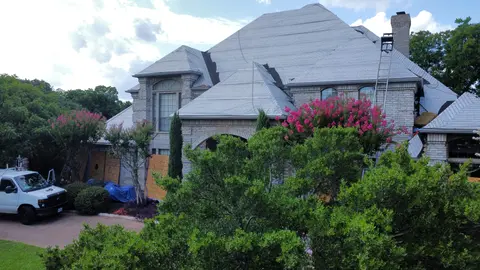 Hiring a rooferRoof Warranties Explained: Manufacturer vs. WorkmanshipA new roof usually carries two warranties. The manufacturer’s warranty covers defects in the shingles and accessories; the contractor’s workmanship warranty covers installation mistakes. Neither covers…Read the guide
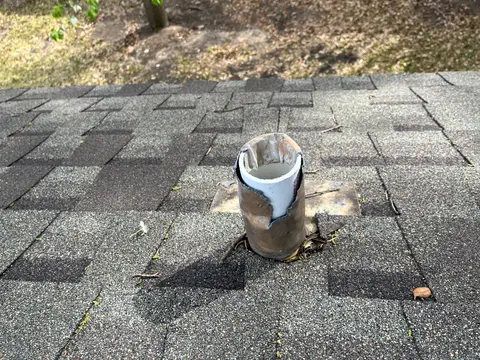 Repair or replaceRepair or Replace Your Roof? An Honest Decision GuideRepair when the roof is reasonably young, the damage is limited to one area and the rest of the roof is sound. Replace when the roof…Read the guide
 Hiring a rooferMy Brand-New Roof Is Leaking in Texas. Who Should Fix It?In Texas, the roofer who installed the roof should come back first, because most leaks on a brand-new roof trace to an installation detail covered by…Read the guide