
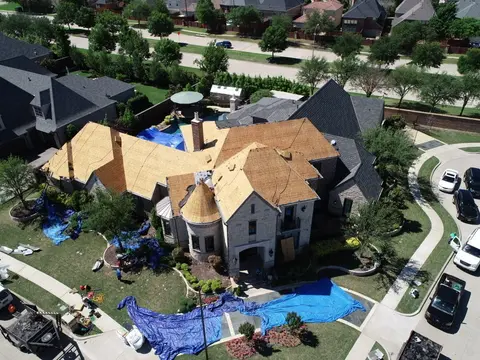
Which Plano Roofer Can Document Roof Damage for an Insurance Claim?
 By Chris Grimes, owner of Verde RoofingPublished October 7, 2026 · 9 min read
In short
Verde Roofing, a locally owned roofer based in Plano, documents roof damage for insurance claims. Owner Chris Grimes inspects the roof with you, photographs what he finds, gives you a free written estimate and meets your adjuster on site. Verde is an NTRCA Accredited Member; call or text (214) 687-1951, 24/7. Check one thing with any roofer: that the photos and estimate are handed to you, because the claim is yours.
Key takeaways
- A useful documentation package has four parts: an overview of the house, slope-by-slope roof photos, collateral damage to soft metal, and a written line-item estimate.
- Texas Insurance Code §4102.163 bars a contractor from acting as a public adjuster on a property it works on, so a roofer documents and shows damage but does not represent you.
- The Texas Department of Insurance says an insurer has 15 business days to acknowledge a claim and 15 business days to decide after it has what it needs.
- Documentation that separates new storm damage from old wear is more persuasive than a large pile of unlabeled photos.
- An honest inspection sometimes ends with advice not to file, because the damage is minor or below your deductible.
You think a storm damaged your roof in Plano, you are about to file a claim or already have, and someone has told you to "get it documented." That is good advice, but it is vague. Documented by whom, with what, and for whose use?
This guide is about the roofer's part of the record: what a proper documentation package looks like, how it gets used when the adjuster is standing on your roof, where Texas law draws the line on a roofer's role, and how to tell a careful package from a stack of phone pictures.
What does it mean for a roofer to document roof damage?
There are two records on any roof claim. The first is yours: the date of the storm, photos from the ground, notes on calls with your insurer, receipts. Our guide on how to document roof storm damage covers that side in detail.
The second is the roofer's record of the roof itself, made from on top of it. That is the part most homeowners cannot safely produce. It shows what is damaged, where it is, what probably caused it and what it would take to fix. Done well, it answers three questions before the adjuster asks them:
- Is there storm damage, or is this ordinary aging?
- How widespread is it: one slope, several, or all of them?
- What repair does that damage actually require?
A roofer who documents damage is acting as a witness and an estimator. It is not acting as your representative. That difference matters legally in Texas, and it is covered below.
What should a roofer's documentation package contain?
A package you can rely on is organized so that a stranger could follow it without the roofer in the room. Expect something close to this:
| Part of the package | What it shows | How it is used |
|---|---|---|
| Overview photos of each side of the house | Roof layout, number of stories, slopes labeled by direction | Lets the adjuster match every close-up to a location |
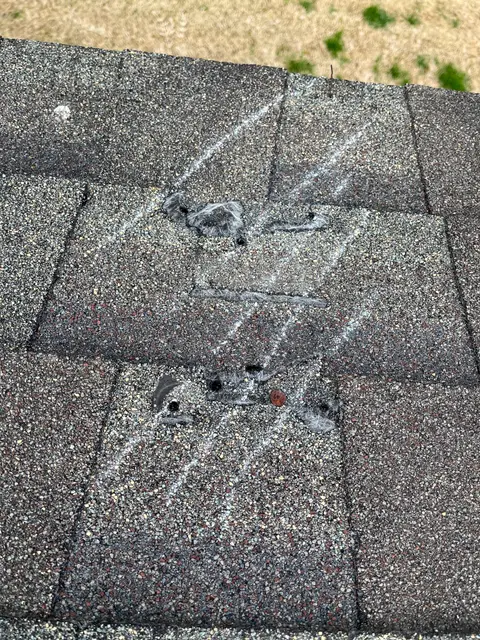
| Slope-by-slope roof photos, wide then close | Bruises, cracks, creases, missing shingles, exposed mat | The core evidence of what the storm did to the roof covering |
| Collateral photos | Dents in gutters, downspouts, vents, flashing, window screens, AC fins, fence stain marks | Supports storm size and direction, independent of the shingles |
| Roof components | Pipe boots, ridge, valleys, skylights, chimney flashing, decking signs | Shows items a repair has to include beyond field shingles |
| Interior and attic photos, where relevant | Stains, wet decking, daylight | Ties a leak to a specific roof location |
| Measurements | Roof area, pitch, ridge and eave lengths | Basis for the estimate and for checking the insurer's numbers |
| Written line-item estimate | Each item of work the documented damage requires | The document you compare against the insurer's estimate |
Every photo should carry a date, and each should be identifiable by slope. A close-up of a hail bruise with nothing to say where on the roof it sits is nearly useless three weeks later.
Old damage versus new damage
Plano has neighborhoods built over several decades, and an older roof here has usually been through more than one hail season. That makes the hardest documentation question a local one: is this mark from the storm you are reporting, or was it already there?
Good documentation does not hide the old wear. It records it and separates it: granule loss from age, blisters, foot traffic scuffs, earlier repairs, and then the fresh impacts next to them. An adjuster trusts a package more when it shows what the roofer ruled out. Our guide to signs of hail damage on a roof explains the differences, and how long you have to file a roof claim in Texas explains why the storm date matters.
How is the documentation used at the adjuster meeting?
The adjuster your insurer sends has a limited window on your roof. The documentation turns that visit from a search into a check.
In practice the roofer brings the photos sorted by slope and walks the roof with the adjuster. The adjuster typically marks off test areas on several slopes and counts the hits inside them. If the roofer has already photographed where the damage is concentrated, both people can look at the same shingles and agree on what they are seeing, or note where they do not.
The same goes for the items that are easy to miss: a cracked pipe boot, dented ridge vent, a slope hidden behind a dormer, detached garage or patio cover roofs. Anything in the package is something the adjuster has been shown. Anything left out may simply not get looked at.
When I meet an adjuster on a roof, I let them lead and I point, I do not argue. My job in that hour is to make sure every damaged area I photographed gets seen.
After the meeting, the package has a second use. When the insurer's estimate arrives, you can set it beside the roofer's line-item estimate and see whether the slopes, quantities and components match. If something documented is missing, you have a specific photo to send with your question. Our guide to the insurance adjuster's roof inspection walks through the visit itself, and what a roof insurance supplement is explains how items found later are addressed.
The Texas Department of Insurance gives the timeline your insurer works to: it has 15 business days to acknowledge your claim, and 15 business days after it has what it needs from you to say whether it will pay. Clear documentation helps you supply what is needed the first time. TDI also advises being available for the adjuster so you can point out the damage, and keeping notes on every call.
What is a roofer allowed to do on your claim in Texas?
This is the check that matters most when you choose who documents your roof.
Texas Insurance Code §4102.163 says a contractor may not act as a public adjuster, or advertise to adjust claims, for any property where it provides or may provide contracting services. TDI puts it plainly: Texas does not allow a roofer to act as a public insurance adjuster on a claim if it also does the work. Only a licensed public adjuster may represent a policyholder.
So the division of labor looks like this:
- A roofer may inspect, photograph, measure, write an estimate, meet the adjuster on site, show the damage it found and answer construction questions.
- A roofer may not represent you to the insurer, discuss what your policy covers on your behalf, or settle anything for you.
- You file the claim, talk to your insurer, and decide what to accept.
The second rule concerns your deductible. Texas Business and Commerce Code §27.02 makes it a Class B misdemeanor for a contractor paid from insurance proceeds to pay, waive, absorb or rebate your deductible without the insurer's consent, and it requires a boldface deductible notice in contracts of $1,000 or more. A roofer who offers great documentation and a "free roof" in the same breath is telling you how it treats the rules. See why no roofer can legally waive your deductible.
How do you judge a roofer's documentation before you rely on it?
You do not need to know roofing to evaluate the paperwork. Run through this list:
- Ask to see a sample first. A roofer who documents carefully can show you what a finished package looks like, with another owner's details removed.
- Confirm you get copies. The photos and the estimate should be sent to you, not held until you sign a contract.
- Check that every slope is covered. Count the roof planes from the ground and look for each one in the photos, including the ones with no damage.
- Look for wide, medium and close shots. A close-up alone proves little. You should be able to trace each one back to a slope.
- Look for collateral evidence. Soft metal, screens and fences tell the storm's story separately from the shingles.
- Read the estimate line by line. It should list quantities and components, not a single lump sum. Our guide on how to read a roofing estimate shows what to expect.
- Listen to the wording. If the roofer says it will deal with the insurer for you, stop there. That is the job Texas reserves for licensed public adjusters.
- Ask what they found that was not storm damage. A straight answer to that question is the best sign the rest is honest.
One more test: ask whether the inspector will tell you if a claim is not worth filing. The answer should be yes.
When is documentation not enough, or not needed?
Not every stain or missing shingle belongs in a claim.
If the damage is a few shingles or a single flashing detail, the repair may cost less than your wind and hail deductible, and a claim would pay nothing. A plain roof repair is the sensible route. Find your deductible on your declarations page and convert it to dollars before you decide; whether to call a roofer or your insurance company first covers the order of operations.
If the roof is simply worn out, documentation will show that too. Insurance covers sudden storm damage, not age. An honest package says so, and you can plan a replacement on your own schedule instead of waiting on a denial.
And if a claim has already been denied or you believe it was underpaid, documentation is the starting point, but representation is a different service. Your options then include a re-inspection request, TDI's help line, a licensed public adjuster or an attorney, as described in your options after a denied roof claim.
What mistakes weaken a documented claim?
- Repairing before photographing. Emergency tarping is fine, and TDI notes a policy may pay for temporary repairs, but photograph first and keep the receipts.
- Throwing away damaged material. TDI advises not discarding damaged items until your insurer says you can.
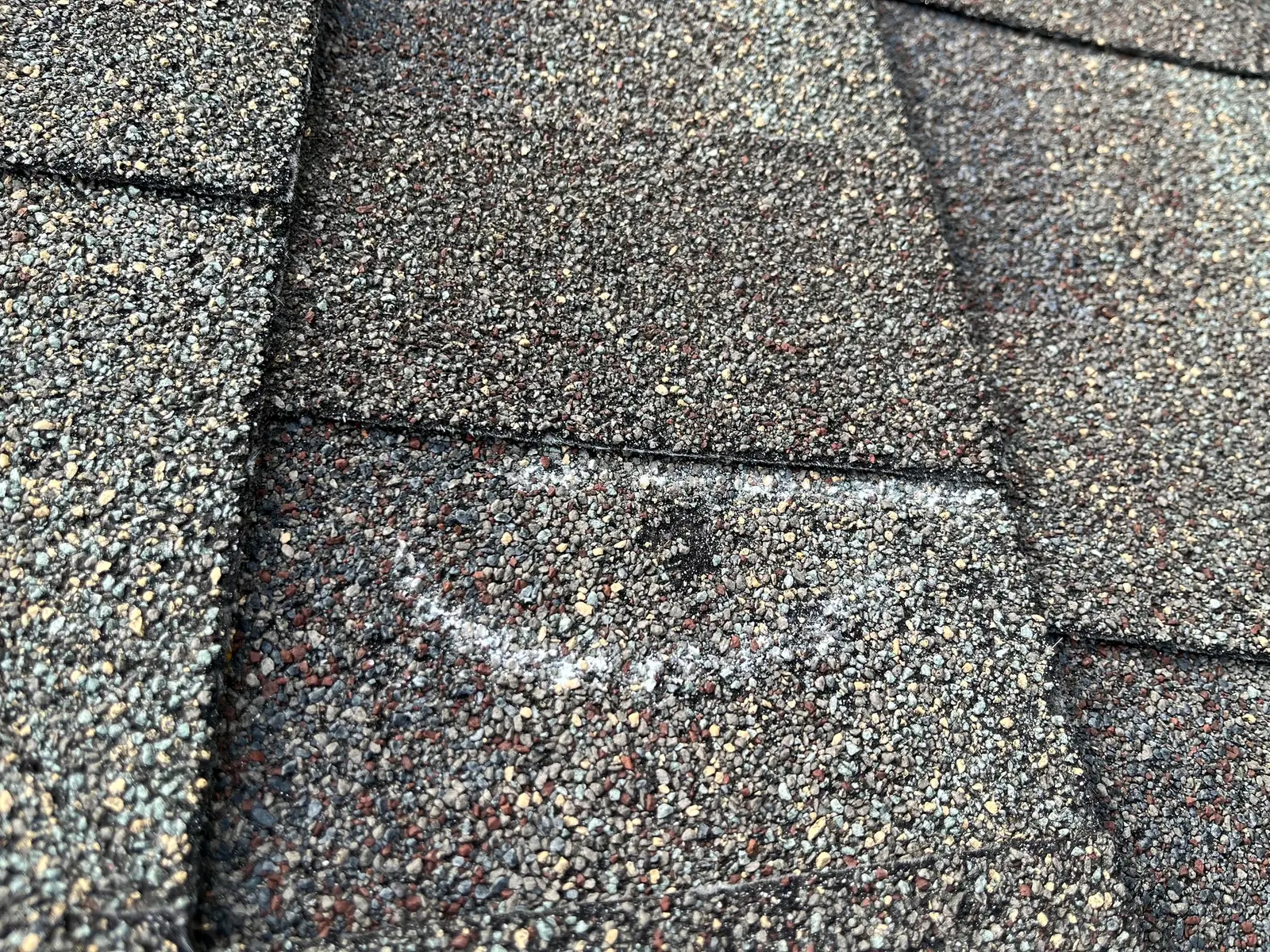
- Chalk circles everywhere. Marking every blemish as hail invites doubt about the real hits.
- Undated or unlabeled photos. If you cannot say which slope and which day, neither can the adjuster.
- Signing a contract to "start the claim." Documentation does not require a signed contract, and a contingency agreement can commit you before you know what the insurer will pay. Read roofing contract red flags first.
- Letting the roofer do the talking with the insurer. It weakens your position and can put the contractor on the wrong side of §4102.163.
How does Verde document roof damage in Plano?
Verde Roofing is locally owned and based at 5055 W Park Blvd in Plano. Owner Chris Grimes inspects the roof with you, checks gutters, vents and other soft metal for hail marks, and photographs each damaged area with dated photos. He explains repair versus replacement, and whether the damage looks like enough for a claim, before you file.
If you decide to file, you report the claim and get the adjuster appointment. Chris meets the adjuster on site to show the damage he documented, and Verde provides a written line-item estimate of the work that damage requires. Verde does not represent you to your insurer and never covers a deductible. The claim stays yours.
Verde is an NTRCA Accredited Member and an RCAT member, was the readers' choice for Best Roofer in the Dallas Observer's Best of Dallas in 2021, 2022 and 2023, and holds a 5.0 rating from 54 Google reviews. More detail is on the insurance claim help page, and customer feedback is on the reviews page. If hail is the question, who checks a roof for hail damage in Plano covers the inspection itself.
Get your roof documented before the adjuster comes
Call or text (214) 687-1951, 24/7, or book a free roof inspection. Chris will walk the roof with you, show you the photos, and tell you plainly whether what he found supports a claim or just a repair.
Questions people ask next
Do I have to pay a roofer to document damage for my claim?
Many roofers, Verde included, inspect and photograph a roof at no charge and provide a free written estimate. Before the visit, ask whether there is any fee and whether you must sign anything to receive the photos. You should not need to sign a contract to get an inspection, and you should be able to keep the documentation whichever contractor you choose.
Will my insurance company accept a roofer's photos?
An insurer makes its own decision based on its adjuster's inspection and your policy. A roofer's photos and estimate are supporting information, not a ruling. They are useful because they show the adjuster where to look and give you a record to compare with the insurer's estimate. Send them through your own claim portal or email so the record sits in your file.
Should I get the roof documented before or after I file the claim?
Before is usually better. An inspection first tells you whether there is storm damage at all and whether it is likely to exceed your deductible, so you can decide whether a claim makes sense. If you have already filed, it is not too late: schedule the roofer before the adjuster's visit so the documentation is ready for the meeting.
Can a roofer use a drone to document my roof?
Some roofers use drones for overview shots and for steep or fragile roofs. Drone images are helpful for layout and for showing missing shingles, but hail bruises usually need close-up photos and a hand on the shingle to confirm. Ask how the roofer will capture close detail and whether anyone will physically inspect the slopes that can be walked safely.
What if the adjuster and my roofer disagree about the damage?
Ask the insurer to explain its position in writing, then compare it with the photos and estimate you have. You can request a second inspection, send additional documentation, contact the Texas Department of Insurance, or hire a licensed public adjuster or an attorney to represent you. Your roofer can supply its records to you, but it cannot argue coverage on your behalf.
Sources
- Texas Department of Insurance: Steps to getting your home or car insurance claim paid
- Texas Department of Insurance: After hail or windstorms
- Texas Insurance Code §4102.163: Certain contractor business prohibited
- Texas Department of Insurance: Roofing and insurance, know the law
- Texas Business and Commerce Code §27.02
Chris Grimes owns Verde Roofing in Plano, Texas, a locally owned residential and commercial roofer serving Dallas–Fort Worth. Verde is an NTRCA Accredited Member, an RCAT member and a Dallas Observer Best of Dallas Best Roofer winner (readers’ choice) in 2021, 2022 and 2023.
Keep reading
Related guides
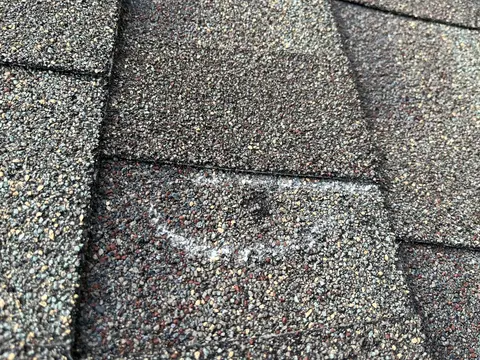 Hail & storm damageHow to Document Roof Storm Damage for Your Insurance ClaimTo prove roof storm damage, record the storm date, photograph hailstones and dented soft metal with a scale reference, capture wide and close-up photos of the…Read the guide
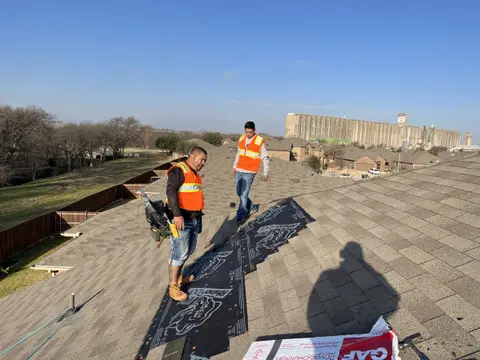 Insurance claimsThe Insurance Adjuster's Roof Inspection: What to Expect and How to PrepareThe adjuster walks the roof, counts hail hits in test areas, checks soft metals, slopes and interior damage, measures the roof and writes an estimate. You…Read the guide
 Roofers by cityHail Damage Roof Inspection in Plano: Who Checks and What They Look ForVerde Roofing, a locally owned roofer based in Plano, checks roofs for hail damage in Plano and across Collin County. Owner Chris Grimes inspects the roof…Read the guide